Explore the Grounds

Fall Color Report

See where fall color is showing in the tree and plant collections at The Morton Arboretum and visit throughout the season to see the colors change.
Content Detail

Fall color as of Tuesday, October 6, 2026

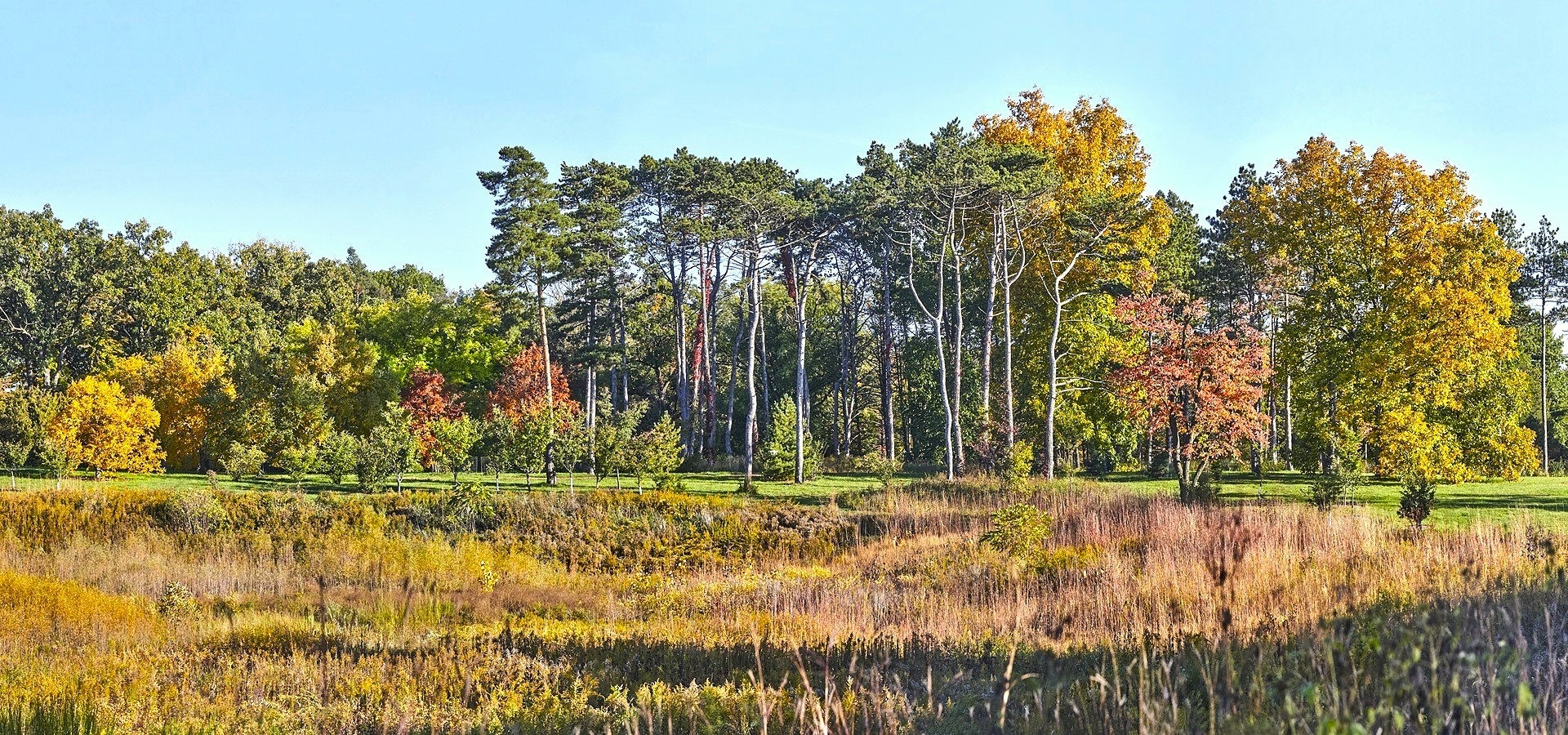
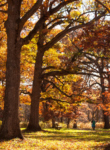
The colors of autumn are gradually increasing in the tree collections, gardens, and woodlands of The Morton Arboretum.

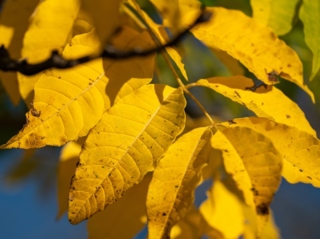
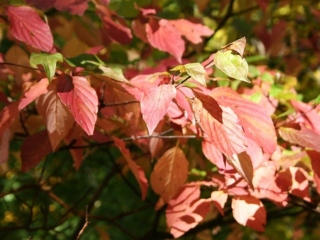
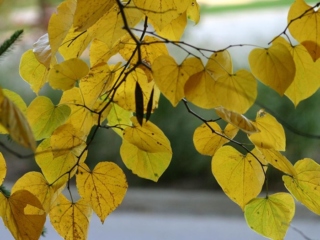
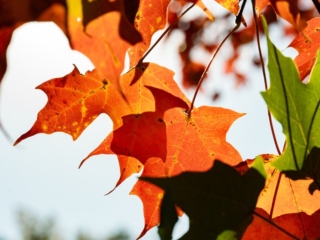
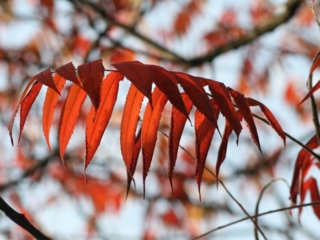
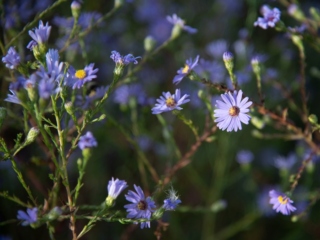
Asters are still blooming in our woodlands and prairie. Some trees, including Freeman’s maples, hackberries, redbuds, and Kentucky coffeetrees, are showing more fall color, and scattered golden leaves have appeared in linden and walnut trees. Look for red leaves on sumac shrubs and Virginia creeper vines that climb some trees. Acorns and walnuts are still dropping from trees across the Arboretum’s collections and landscapes.

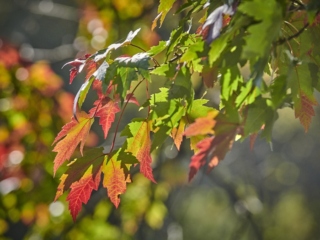
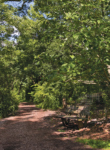
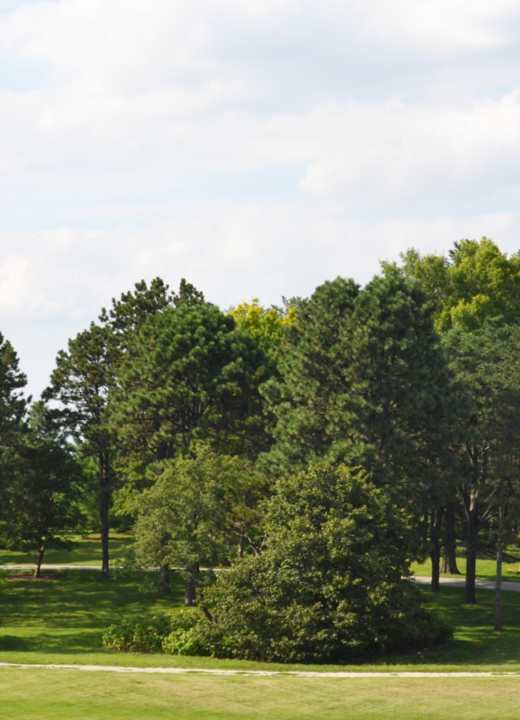
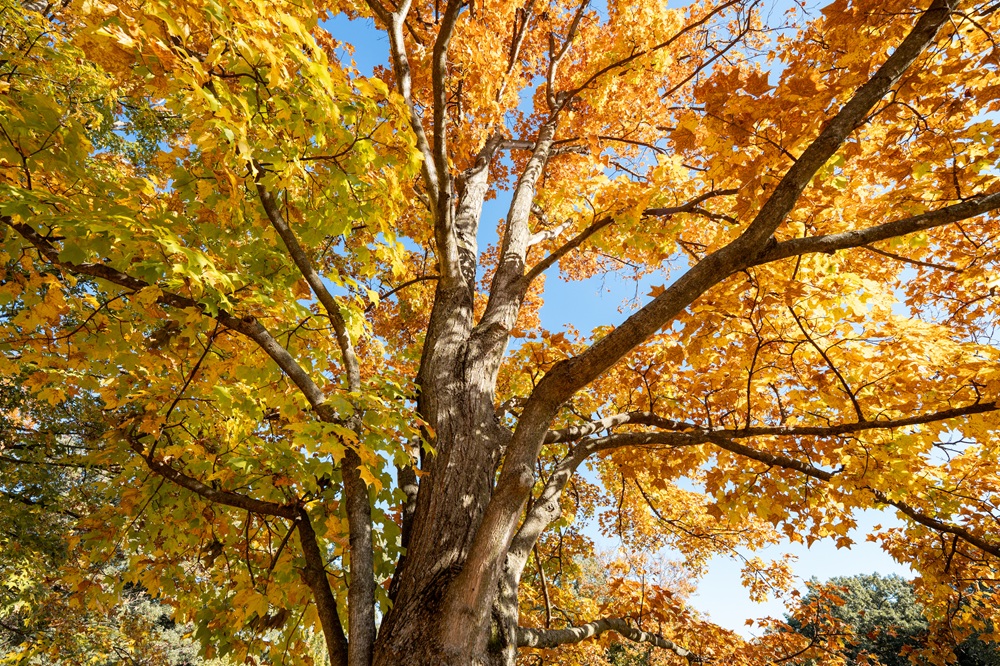
The Maple Collection, located between parking lots P-7 and P-14, is a good place to take a walk to enjoy the early fall tree color. Sugar maples, which are native to Midwestern woodlands, are just starting to show hints of fall color on the tops of their leafy canopies where leaves are most exposed to sunlight. In the East Woods, the trails and roads may seem lighter, as every leaf that falls opens the canopy to let more sun through.

The forecast for the next few days is for cooler nights and bright, sunny days with cool to moderate temperatures. That kind of weather should stimulate the development of fall color. The best fall color develops when we have bright, warm, sunny days and cool nights.

In the coming days, look for changes in Miyabe’s maples, coffeetrees, tree lilacs, hackberries, sumacs, honey locusts, elms, ironwoods, and redbuds. We should also see more vivid fall colors start to appear in the tops of our woodland sugar maples.

Every day will bring new colors, sounds, and smells to experience at The Morton Arboretum, wherever you go in the gardens, tree collections, woodlands, and prairies. Take time to get outside and experience the wonders of fall!

Fall Color Highlights

Asters

Many fall-blooming asters are native to the Chicago region, often with blue or white daisylike flower heads.

Freeman’s maple

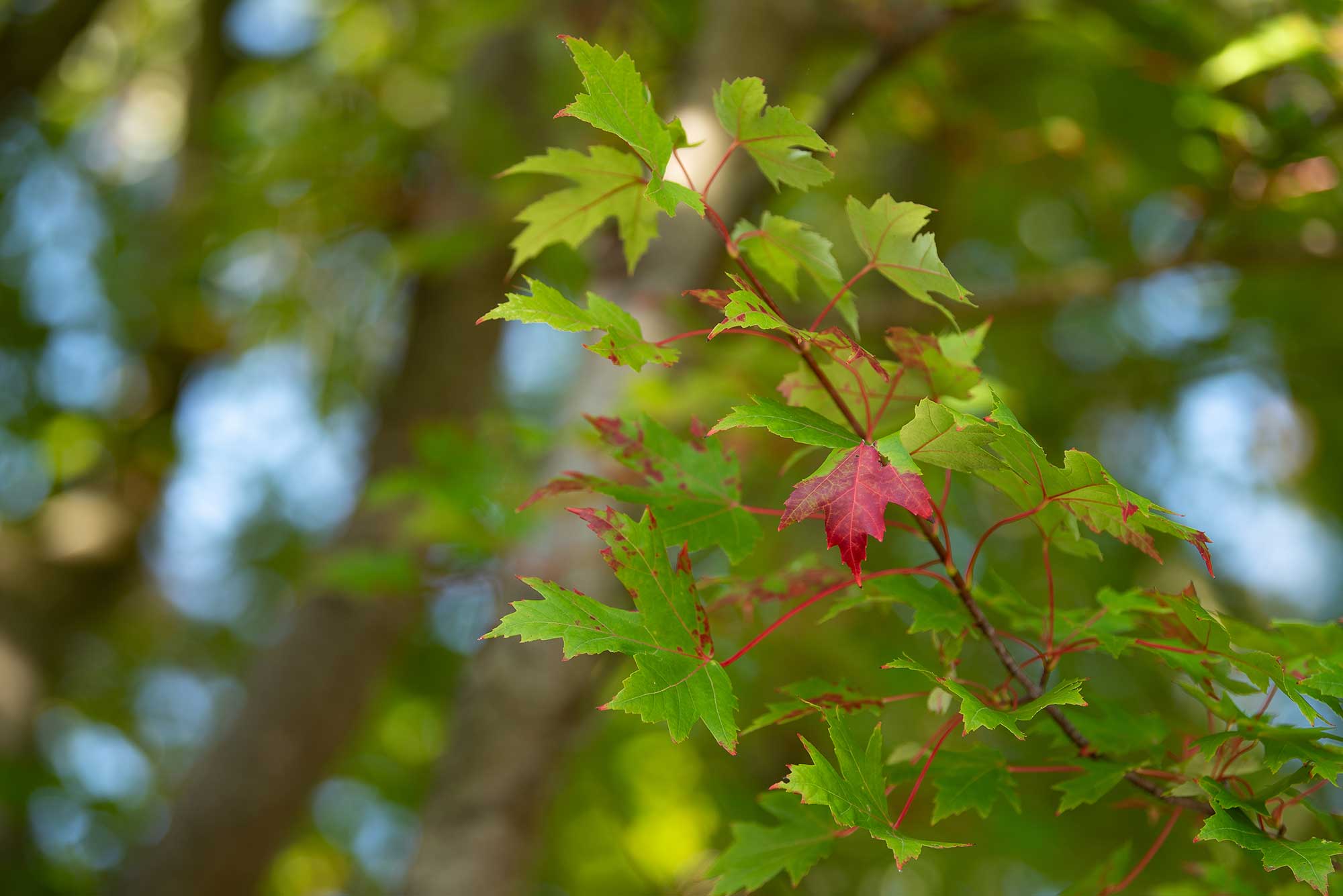
Freeman’s maple is a sturdy hybrid of red maple and silver maple with leaves that turn a brilliant, red-orange color in the fall.

Lindens

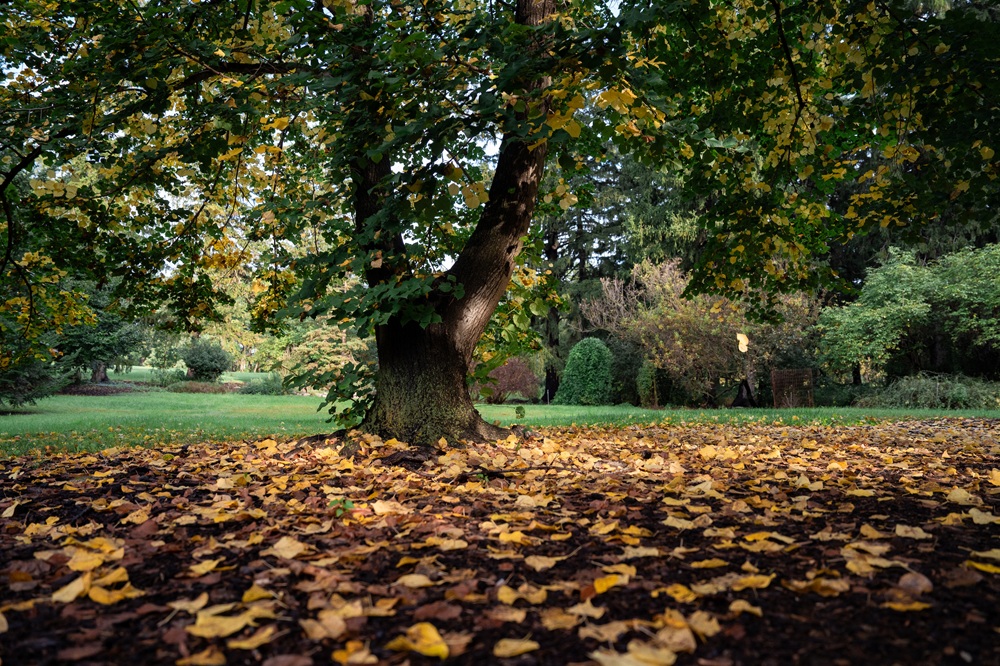
A popular shade tree in cities and suburbs across the United States, lindens are large trees with heart-shaped, dark green leaves that change to pale yellow in fall.

Sumacs

Sumacs bring outstanding color to the autumn woodlands, from yellow and orange to deep red and purple. Dense, fuzzy clusters of dark red fruits appear in early fall and often last through the winter.

Virginia creeper

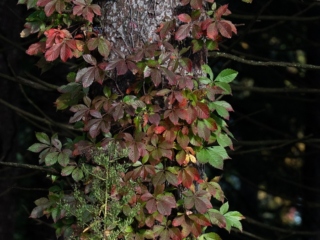
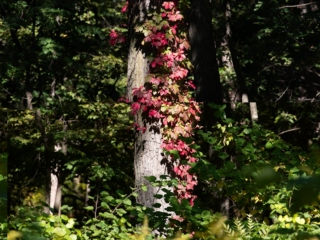
Virginia creeper is a vine often found growing up tree trunks in native woods. Its leaves turn a brilliant red in early autumn.


About the Fall Color Report

The Fall Color Report is written by The Morton Arboretum’s manager of plant records, Ed Hedborn. It is typically published on Wednesdays throughout the fall to help guests plan their weekend visits. The Arboretum also publishes a weekly Bloom Report in springtime.

Fall color as of Wednesday, September 30, 2026

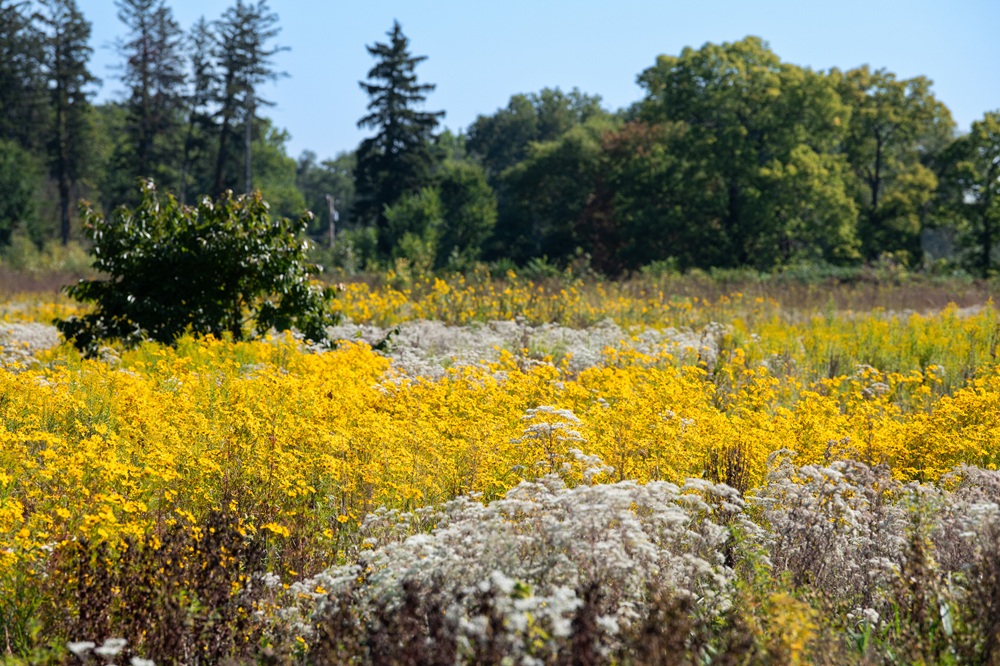
Asters, goldenrods, and white snakeroot are blooming in the woodlands at The Morton Arboretum, while golden grasses set seed in the prairies. Most trees are still green, but fall color is surely coming.

The most color can be found on trees planted in sites where their living conditions are stressful, such as in parking lots and near pavement. There, leaves of Freeman’s maples are showing some red. Hackberries and Kentucky coffeetrees are turning yellow. Scattered leaves in lindens and walnut trees are starting to turn yellow as well.

Acorns and walnuts are dropping from trees across the Arboretum’s collections and landscapes. Squirrels, chipmunks, and blue jays are busy processing this year’s crop for winter storage.

The best fall color develops in trees when there are bright, warm, sunny days and cool nights. The forecast is for cooler days and nights in coming days, which may slow the development of more intense fall colors.

As you visit the Arboretum over the next week or so, look for hints of yellowing leaves in Miyabe’s maples, Kentucky coffeetrees, tree lilacs, hackberries, and redbuds. Reds are also beginning to show in sumac, Virginia creeper, and dogwoods.

As we head into autumn, each day will bring new colors, sounds, and smells to the Arboretum’s gardens, collections, woodlands, and landscapes. Visit often to enjoy the outdoors and experience the changing wonders of fall.

Fall Color Highlights

Asters

Many fall-blooming asters are native to the Chicago region, often with blue or white daisylike flower heads.

Freeman’s maple

Freeman’s maple is a sturdy hybrid of red maple and silver maple with leaves that turn a brilliant, red-orange color in the fall.

Goldenrods

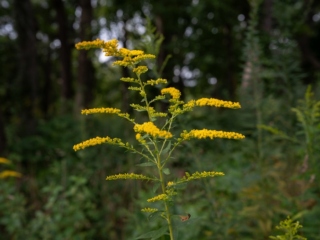
Goldenrods have sprays of upright yellow flowers that bloom from late summer to early fall.

Virginia creeper

Virginia creeper is a vine often found growing up tree trunks in native woods. Its leaves turn a brilliant red in early autumn.

White snakeroot

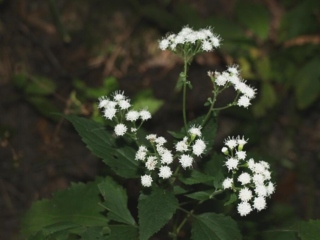
White snakeroot has slightly branched clusters of bright white flowers in late summer and fall. It is commonly found in shaded woodlands.


About the Fall Color Report

The Fall Color Report is written by The Morton Arboretum’s manager of plant records, Ed Hedborn. It is typically published on Wednesdays throughout the fall to help guests plan their weekend visits. The Arboretum also publishes a weekly Bloom Report in springtime.

Fall color as of Tuesday, September 22, 2026

Autumn is just around the corner in The Morton Arboretum’s tree collections, gardens, and landscapes. Hints that summer has ended and fall is beginning can be seen in the blooming of asters, goldenrods, and white snakeroot in the woodlands. Prairie grasses are setting seed, amid blooming prairie asters and goldenrods.

The earliest trees to turn color, such as Freeman maples with hints of red, are in parking lots and other sites that are stressful for trees to grow in. Meanwhile, yellow leaves are starting to appear in the crowns of linden and walnut trees throughout the Arboretum.

Another sign of fall is the abundance of acorns and walnuts dropping from trees across the Arboretum’s collections and landscapes. Squirrels and chipmunks are busy processing this year’s crop for winter storage.

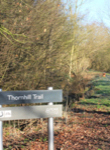
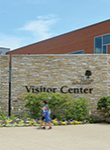
In the coming days, look for hints of yellowing leaves in Miyabe maples, coffee-trees, tree lilacs, hackberries, and redbuds. Meanwhile, enjoy the fall-blooming flowers in beds around the Visitor Center and the Thornhill Education Center.

The color of trees this autumn will depend on a combination of factors, such as dry weather in much of the summer, recent rains, and the temperatures and rainfall in the coming weeks. Cool nighttime temperatures, bright sunny warm days, and adequate moisture will allow the plants to develop brighter and longer-lasting colors.

Autumn is always a season of change, and the Arboretum’s collections, woodlands, and landscapes offer a constantly changing experience of color, sounds, and smells. Come outside often this fall and enjoy!

Fall Color Highlights

Asters

Many fall-blooming asters are native to the Chicago region, often with blue or white daisylike flower heads.

Goldenrods

Goldenrods have sprays of upright yellow flowers that bloom from late summer to early fall.

White snakeroot

White snakeroot has slightly branched clusters of bright white flowers in late summer and fall. It is commonly found in shaded woodlands.


About the Fall Color Report

The Fall Color Report is written by The Morton Arboretum’s manager of plant records, Ed Hedborn. It is typically published on Wednesdays throughout the fall to help guests plan their weekend visits. The Arboretum also publishes a weekly Bloom Report in springtime.

Become a Member

When a trip to the Arboretum inspires you to explore more, become a member to visit again and again.

Join now