Garlic mustard (Alliaria petiolata) is an exotic weed in Illinois. The Illinois Exotic Weed Act prohibits the sale or distribution of this plant in Illinois.
Garlic mustard is a biennial plant, meaning that it takes two years to complete its life cycle. In its first year, the plant produces only a low rosette of leaves. In the second year of growth, it flowers and produces seeds. Each plant can produce hundreds to thousands of seeds. This high rate of seed production, coupled with the plant’s ability to tolerate shade, have allowed it to out compete native woodland plants.
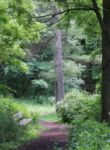
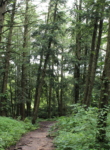
Garlic mustard also shows allelopathic tendencies by producing chemicals that may impact the growth of some native species. These chemicals are thought to inhibit seed germination of some native plants and reduce the occurrence of native mycorrhizal fungi that are beneficial to many native species. Garlic mustard commonly grows in woodlands. This weed was introduced from Europe into the United States as a medicinal and culinary plant. It is now commonly found throughout much of the Northeastern and Midwestern United States.
There are a number of native and nonnative species that could be used in place of garlic mustard. More desirable species may be found using the Search Trees and Plants page of the Arboretum website. Before purchasing or planting, be sure to check for any local or state guidelines on this species, and make sure that this plant is suitable for its habitat by checking its attributes at mortonarb.org or plants.usda.gov.
- Family (English) Mustard
- Family (botanic) Brassicaceae
- Hardiness zones Zone 4, Zone 5 (Northern Illinois), Zone 6 (City of Chicago), Zone 7, Zone 8