This program will begin with urban ecologist Lindsay Darling, PhD, from the Arboretum’s Science and Conservation team. Darling will discuss insights from her article, “Forests, history, and environmental equity,” which examines how shifts in the ecology of the Chicago region impact forest health, as well as access to nature. She will introduce key Arboretum datasets that illuminate the region’s ecological past.
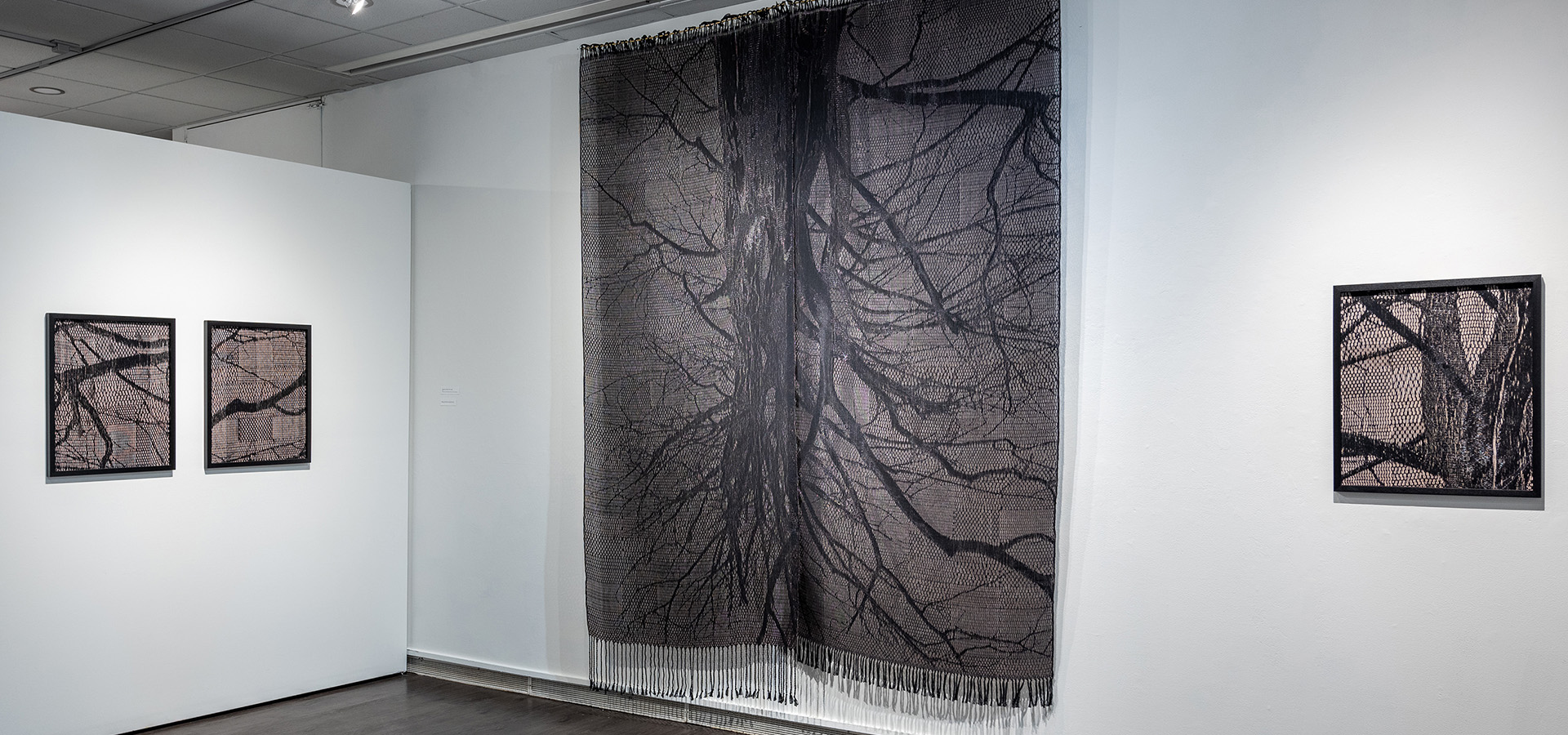
The second portion of the talk will feature visiting artist Tali Weinberg, as she shares how materializing climate and ecological datasets through art can reveal new ways of understanding scientific information. Weinberg will speak about her own body of work, sharing concepts and processes that have shaped her practice over the past decade.
Together, Weinberg and Darling will connect local data to global environmental narratives, offering participants a unique blend of science, history, and creative interpretation. This program invites audiences to see environmental information not just as numbers or maps, but as stories woven through both landscapes and art.
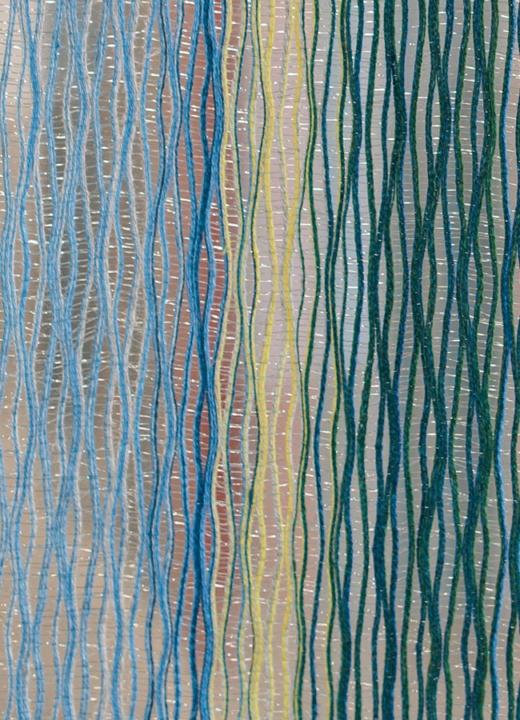
Those interested in creating their own woven interpretations of Arboretum data can register for a two-day weaving workshop led by Tali Weinberg. Workshop registration includes admission to the talk.
This program meets in person at the Arboretum.
Speakers: Tali Weinberg, interdisciplinary artist; Lindsay Darling, PhD, urban ecologist
Age: 16 and older
Course number: A600
Speakers
Tali Weinberg, interdisciplinary artist
Tali Weinberg is an internationally exhibited interdisciplinary artist and weaver. She combines plant fibers and dyes with plastics and data to explore relationships between ecological and human health.
Her work is in the collections of the Berkeley Art Museum, Denver Botanic Gardens, and Georgia Museum of Art, and has been featured in the Fifth National Climate Assessment, The New York Times, Colossal, and NRDC’s onEarth Magazine, among others. She is the recipient of an Illinois Artist Fellowship, a Tulsa Artist Fellowship, and numerous residencies, including at New York’s Museum of Art and Design. She holds a BA and MA from New York University and an MFA from California College of the Arts.
Lindsay Darling, PhD, urban ecologist
Lindsay Darling studies the socio-economic factors that shape the development and current state of Midwestern urban forests. This research explains the urban forest’s inequitable distribution and offers insights on how to improve policies that shape its future. She is currently a fellow with the Center for Tree Science at The Morton Arboretum. Lindsay earned a BS in biochemistry from Indiana University and an MS in plant biology and conservation from Northwestern University. She earned her PhD in forestry and natural resources at Purdue University.
What to Know
This program meets indoors.
Program Schedule
Saturday, April 11, 2026, 10:00 to 11:30 a.m.
Cudahy Room, Administration and Research Center (parking lot P-1), East Side