When Do Leaves Change Color in the Fall?
When will the trees’ full tapestry of fall colors appear? There’s no way to know for sure. Many variables affect the timing and vividness of their leaf color, especially the weather, and it’s different from year to year.
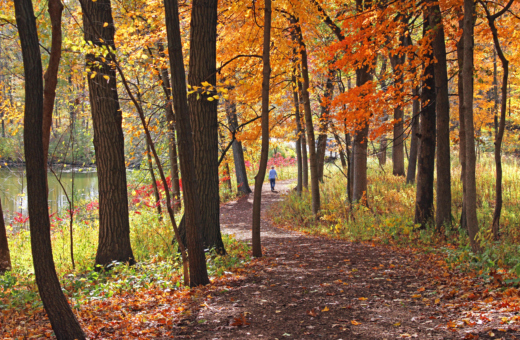
In the Chicago region, most trees change color between late September and the end of October. But the timing can be affected by stresses to trees, such as drought during the summer. In a drought year, trees tend to turn color early, and their colors are often muted.
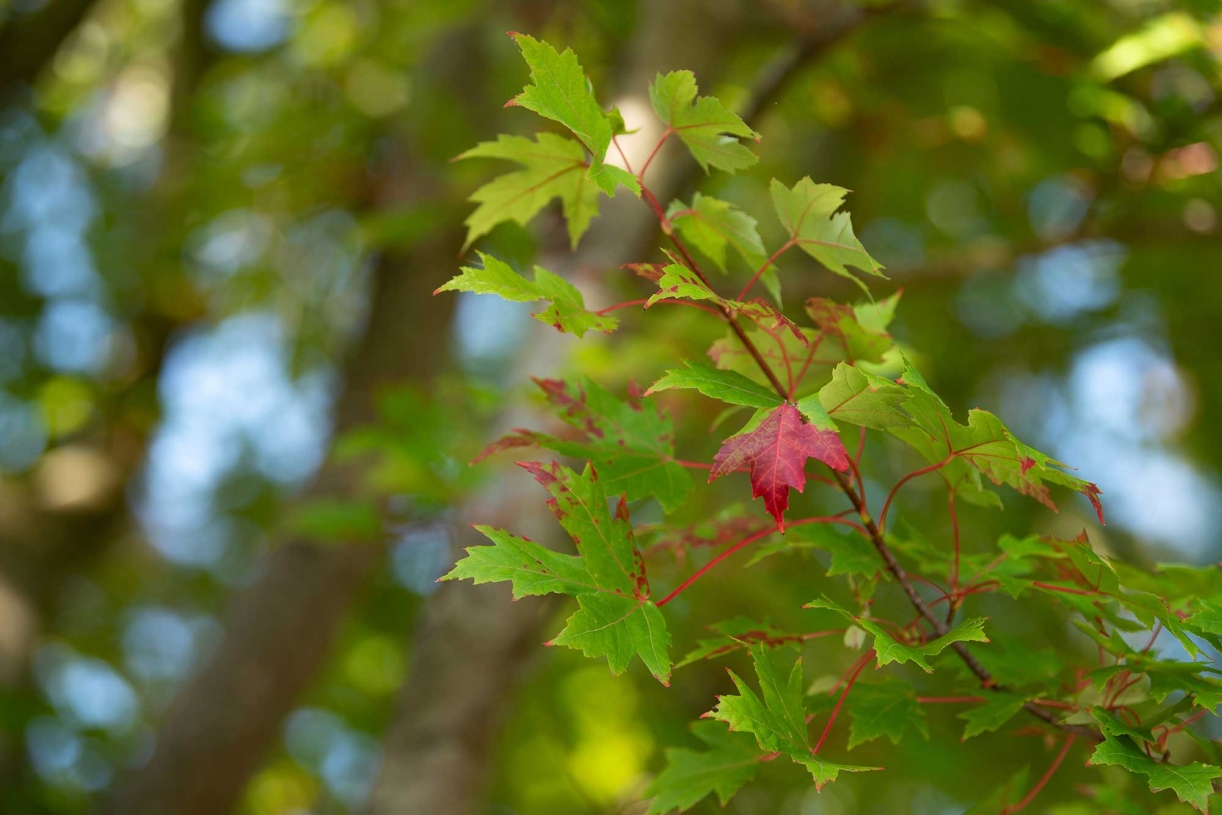
If you see a few trees changing color in early September or even August, it’s usually because those trees are under some kind of stress. For example, maple trees planted near roads or in parking lots tend to change color early due to lack of water in small areas of soil, heat from the pavement, and salt in winter.
Why Do Leaves Change Their Color?
Why do trees change the color of their leaves in the first place? Changing colors are a sign that trees are preparing for winter by entering the sleeplike state called dormancy, when they temporarily shut down many of their functions and hunker down until the weather warms up in spring. The fall color display we enjoy is just a side effect of dormancy.
Shortening days toward the end of summer are the signal for trees to prepare for dormancy. They stockpile food in the form of sugars in their roots to fuel their new start next spring. Then they shut down their food-making process, photosynthesis, which requires water, sunlight, and chlorophyll, the chemical that makes leaves green.
Why Do Some Leaves Change Different Colors?
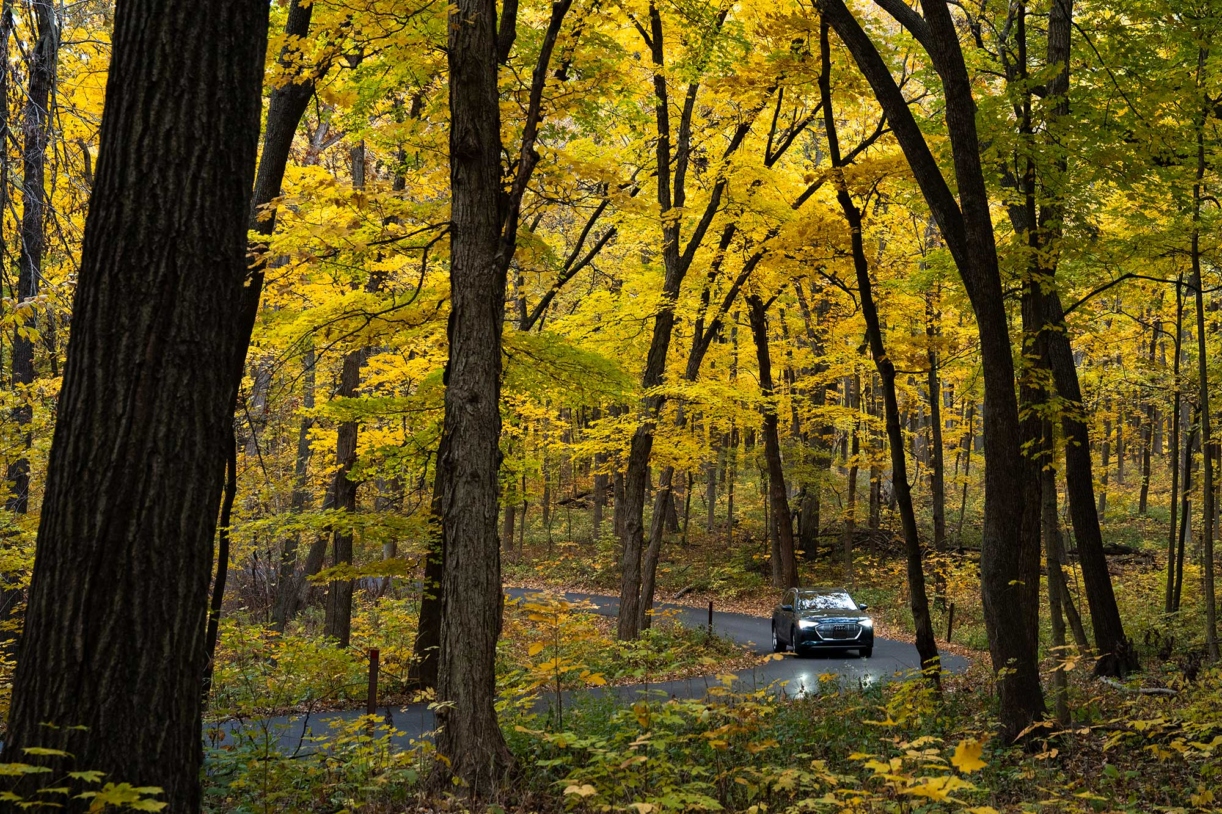
Once a tree stops making chlorophyll, the green drains from its leaves and reveals the underlying color, which is usually some shade of brown or yellow. That’s why the overall color of the autumn woods is gold.
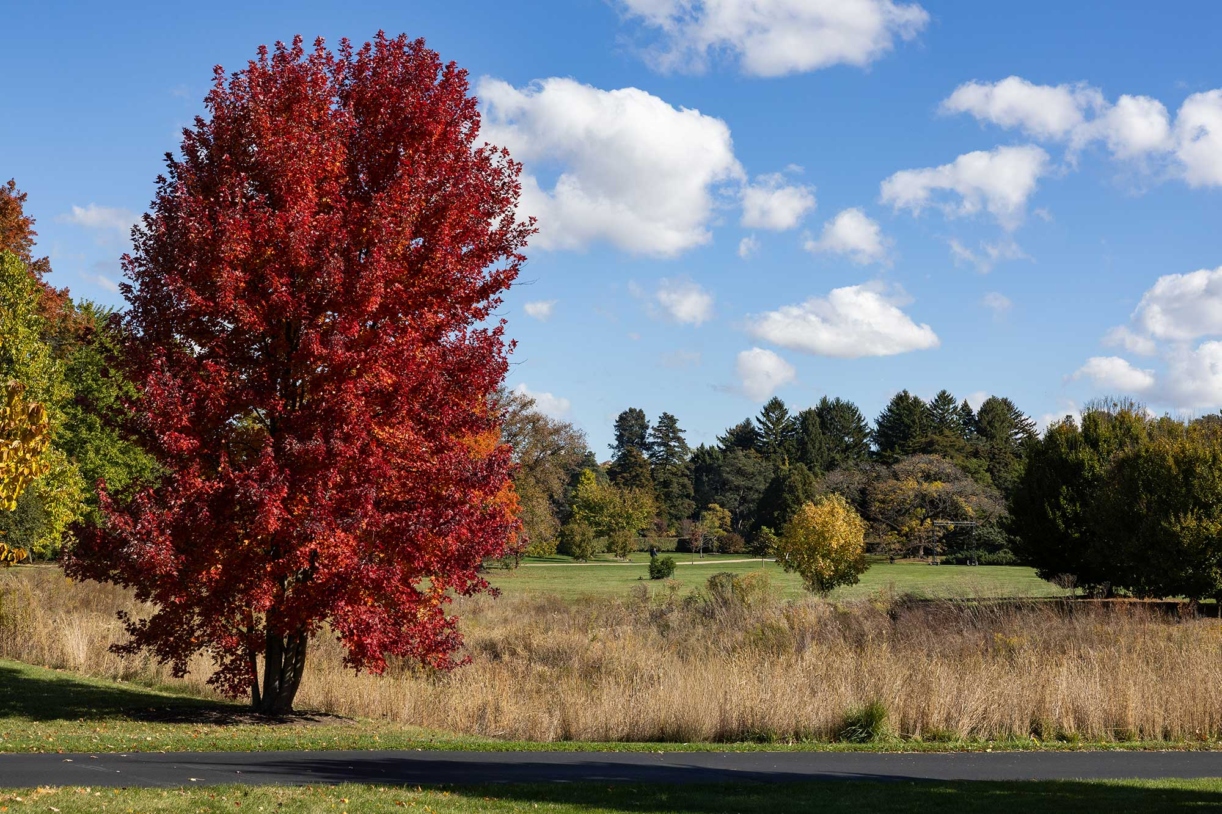
The reds and oranges that make fall color really pop come from anthocyanin, a pigment produced by only some kinds of trees.
Soon after a tree’s leaves turn color, it lets them drop to the ground. If they aren’t raked away, they settle into a layer that insulates the roots and feeds soil organisms as it decays.
Evergreen plants such as pines, spruces, and boxwoods, never go fully dormant in winter. They retain most of their leaves and continue to photosynthesize through the cold season, although at a slower pace. That’s why they remain “evergreen”.
Why Do Different Trees Change Color at Different Times?
“Some species, such as buckeyes, tend to turn color earlier than other species, such as oaks,” said Ed Hedborn, plant records manager at the Arboretum, who tracks the progression of fall color every year in the Fall Color Report.
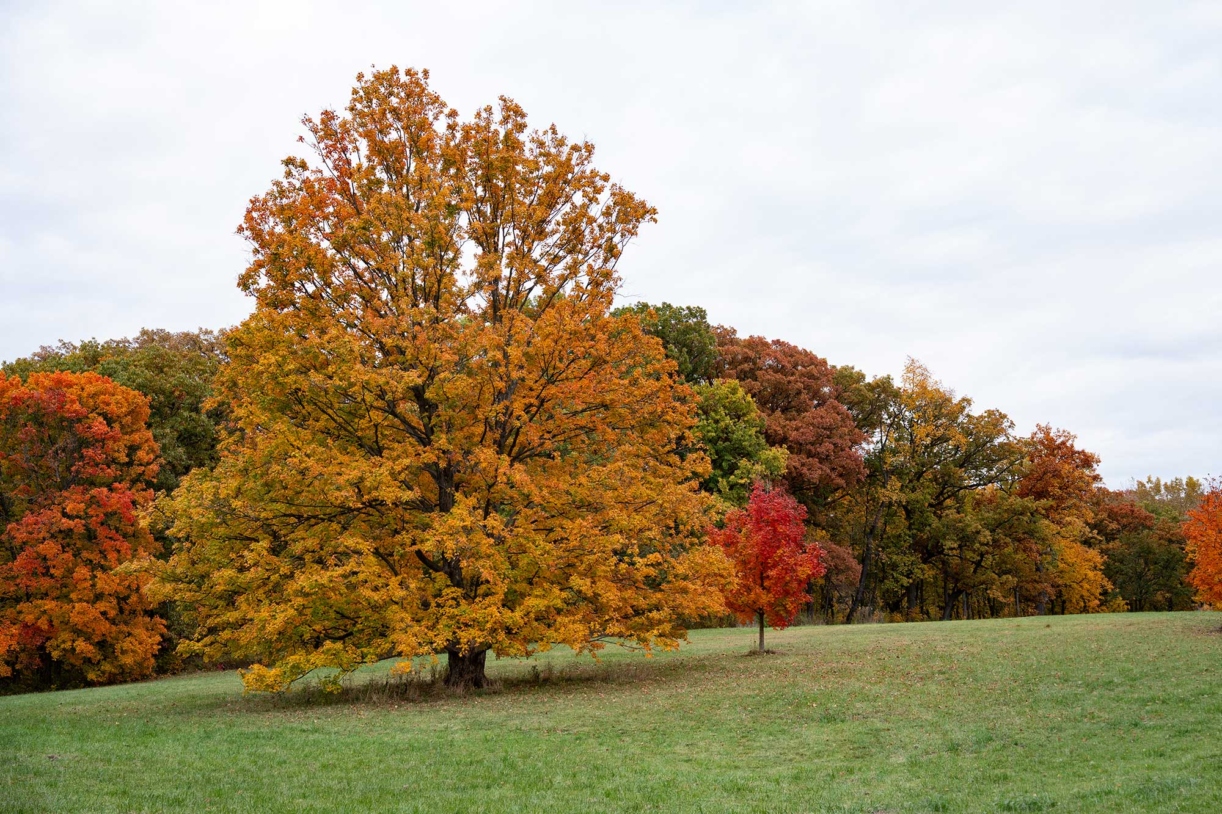
Each tree species’ genetic programming determines the colors it can have. Some kinds of trees, such as honey-locusts, can only turn yellow, while others, such as tupelo and sugar maple, can turn orange or even red.
When Is the Best Time to See Fall Color?
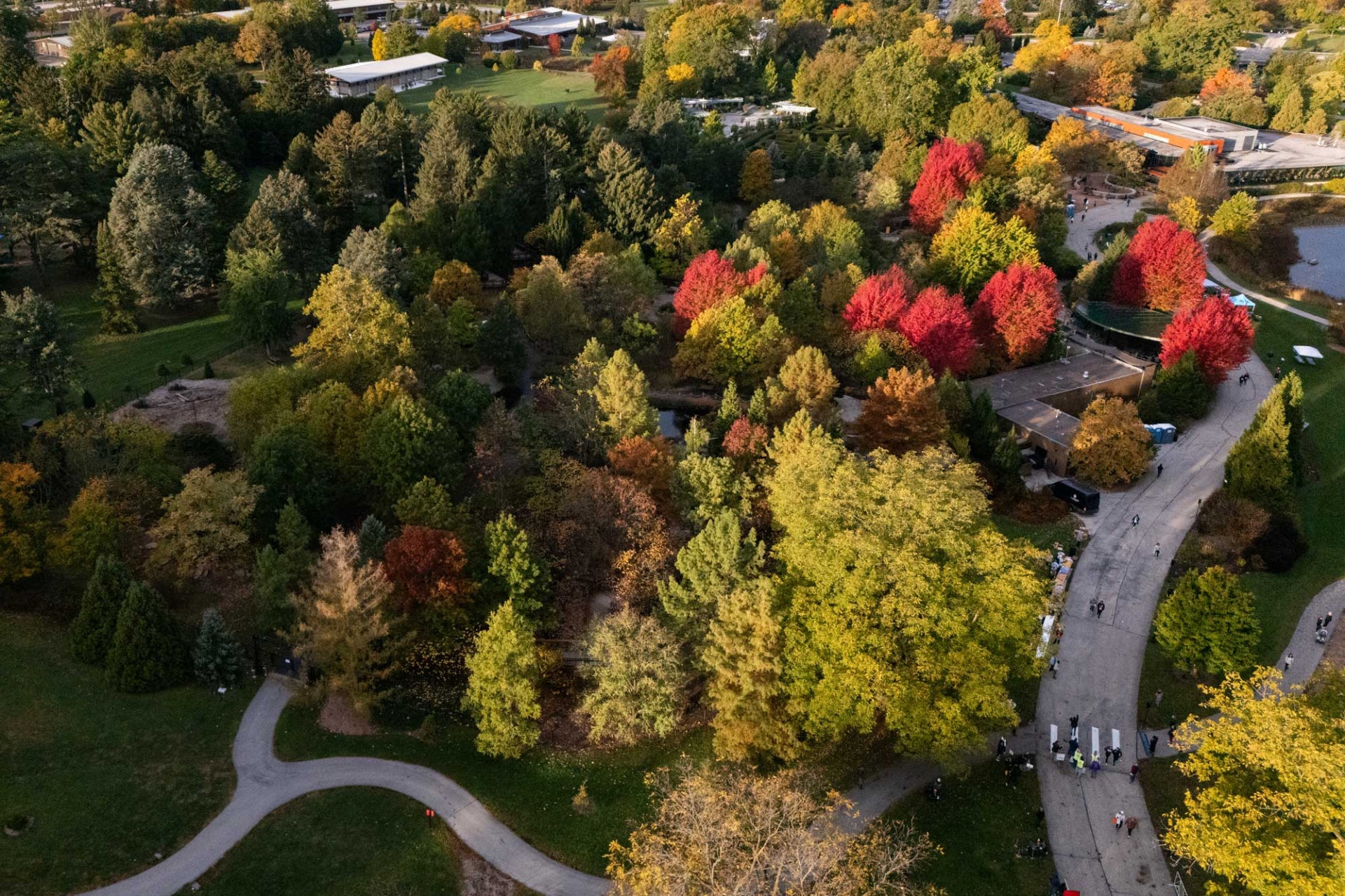
Because the Arboretum has more than 4,100 different kinds of trees and other plants, it tends to have a long and colorful fall leaf season. “But we can’t make promises about what the color will be like on any particular day or weekend,” Hedborn said. “Even in a good color year, one big windy storm can bring down all those beautiful leaves in a day.”
A good fall color year tends to be one with ample rainfall, when autumn brings sunny days, cool nights, and no big windstorms. This year, there was plenty of rainfall in July and August. “If that keeps up and we don’t get any major hot spells, the signs are good,” Hedborn said. “But no promises.”
To be sure you get a chance to enjoy the Arboretum’s fall color, visit often in autumn. “That way you can watch the season unfold,” he said.
Stay Updated with the Fall Color Report
Throughout the fall season, The Morton Arboretum publishes its weekly Fall Color Report. The report, written by Manager of Plant Records Ed Hedborn, tracks the changing colors throughout the Arboretum’s 1,700-acre grounds.
Subscribe to the Arboretum’s email newsletter to receive the Fall Color Report and updates on other opportunities to make the most of the fall color season.