Historical Timeline
1872
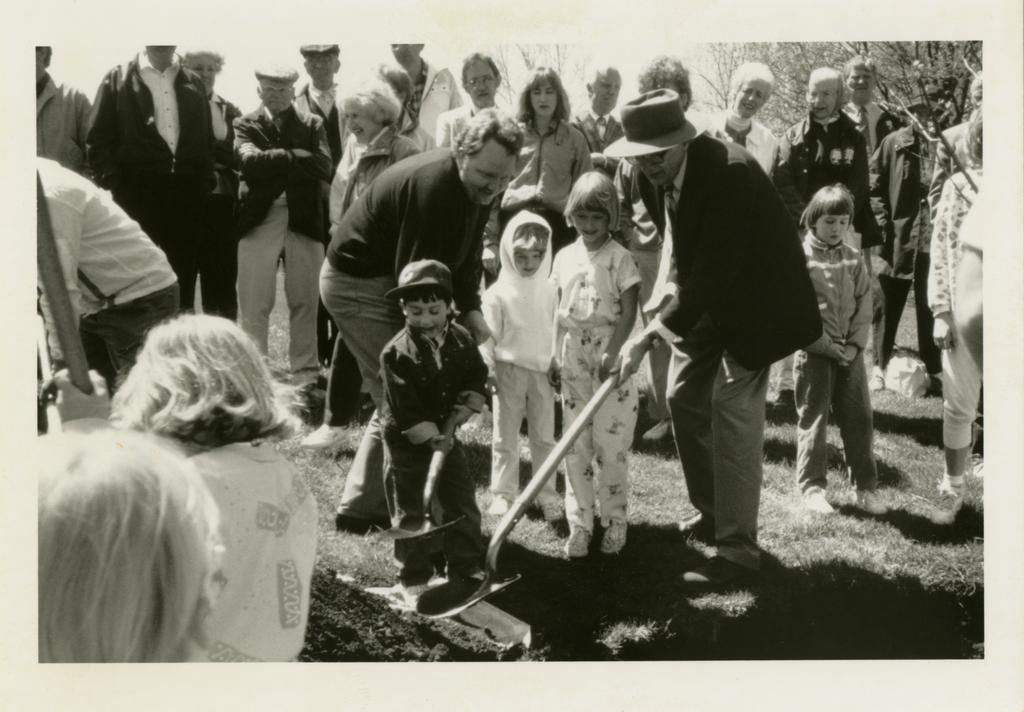
J. Sterling Morton (1832-1902), father of Arboretum founder Joy Morton (1855-1934), established Arbor Day in Nebraska. (He later served as Secretary of Agriculture under President Grover Cleveland.)
1909
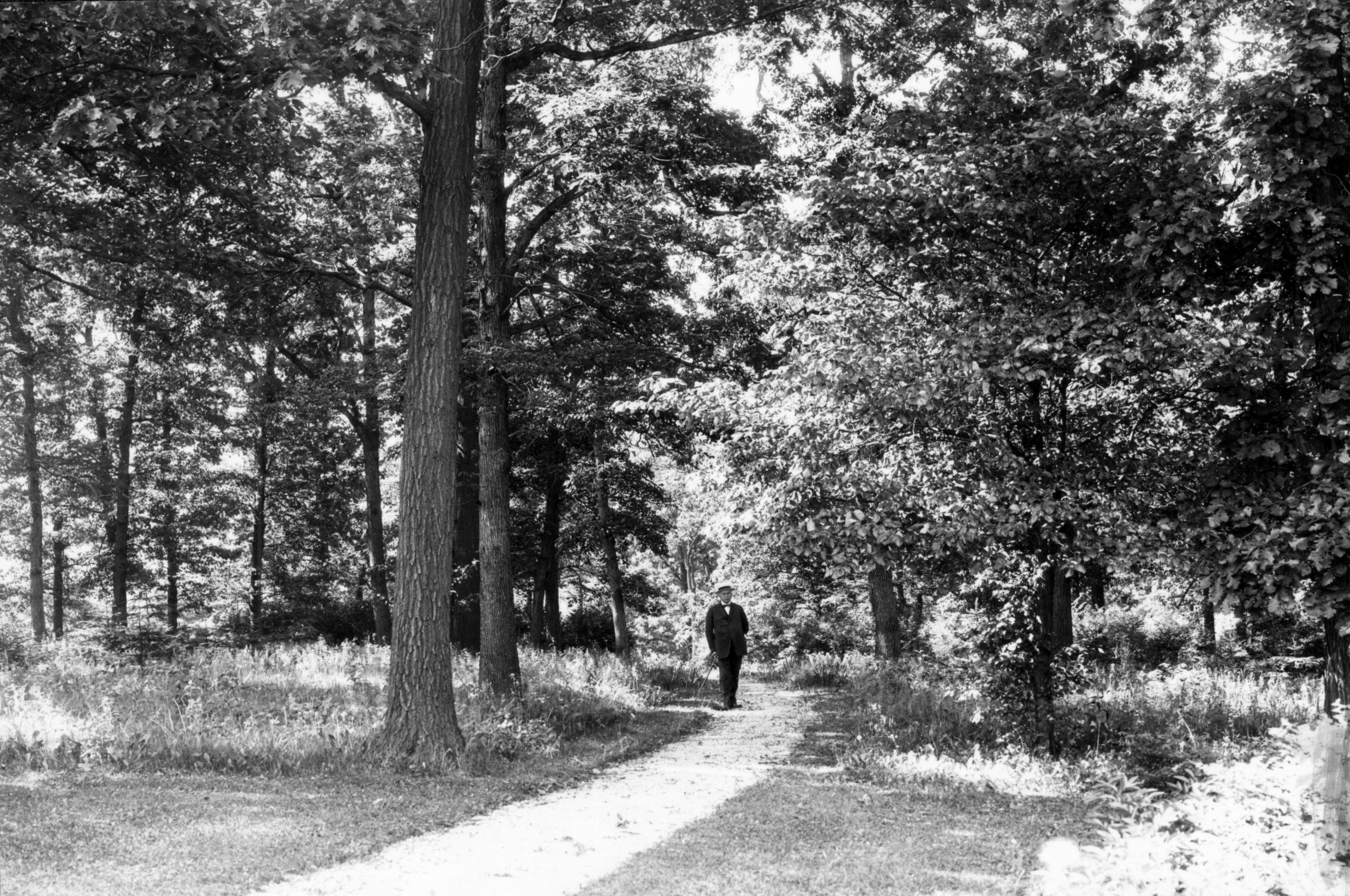
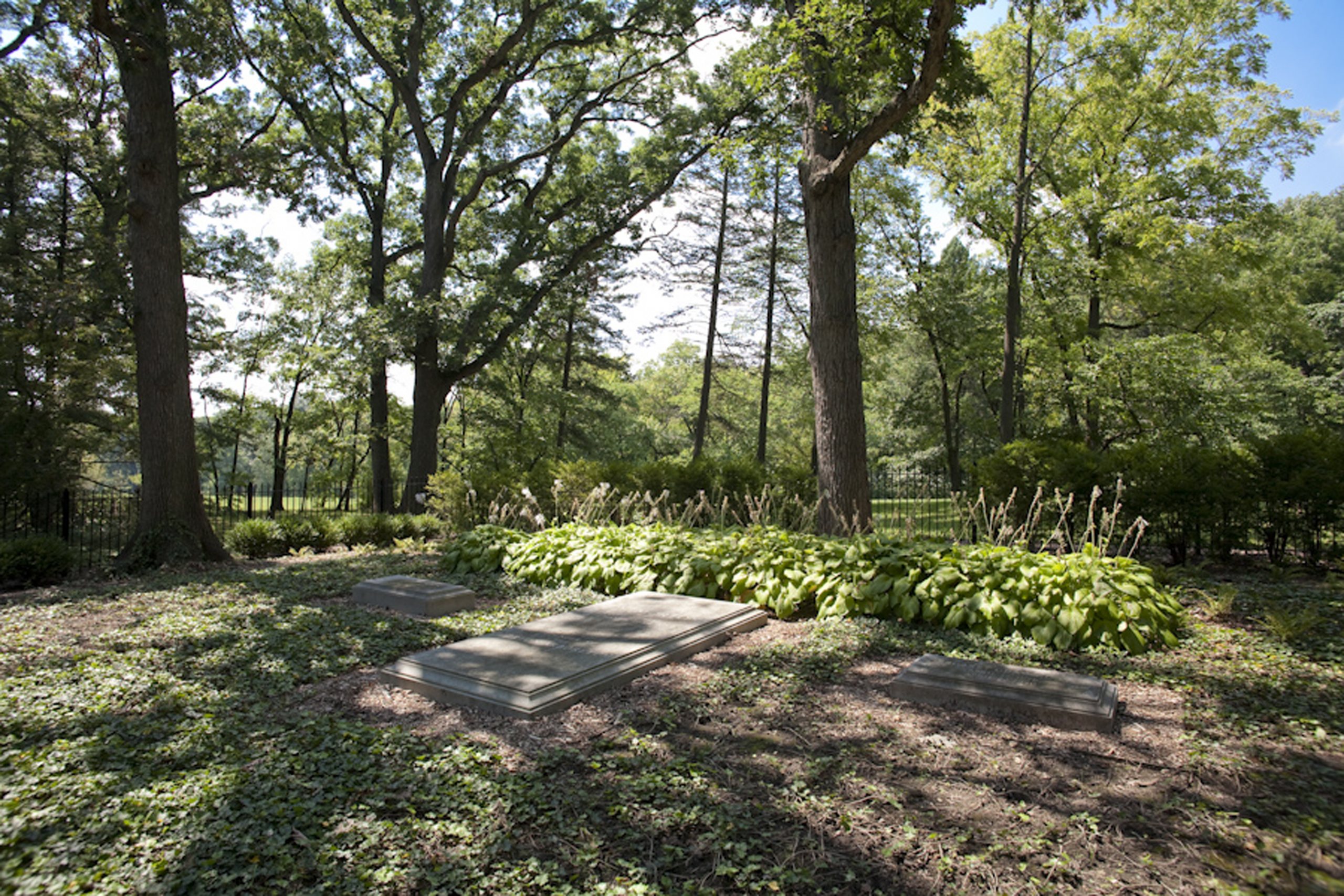
Joy Morton acquired property in Lisle, Illinois, where he built his country estate and named his home Thornhill.
1922
The Morton Arboretum was founded in 1922 by Joy Morton with a focus on living collections, a research library, and a herbarium.
1934
Joy Morton died. His daughter, Jean (Mrs. Joseph M. Cudahy, 1883-1953), became Chair of the Board of Trustees and served in that capacity for 19 years. Under her leadership, the Arboretum developed a national reputation. In memory of her father, she built the Administration Building, which provided a reception area for guests, staff offices, and space for the herbarium and library. The Hedge Garden was established, making it the oldest hedge demonstration in a U.S. public garden.
1937
Mrs. Cudahy commissioned a custom-designed open air bus to provide tours of the grounds for visitors; it was inspired by vehicles used at the World’s Fair (“A Century of Progress”) in Chicago in 1933-1934.
1938
The Ground Cover Garden was planted.
1939
Clarence Godshalk (1897-1988) was named director. He had commenced his employment as superintendent of the grounds in 1921. Trained as a landscape architect in the naturalistic style of O.C. Simonds and others, he further developed the Arboretum’s distinctive landscapes.
1940
Mrs. Cudahy started the Arboretum’s renowned education program by inviting the gifted naturalist and ecologist May Theilgaard Watts (1890-1975) to teach.
1942
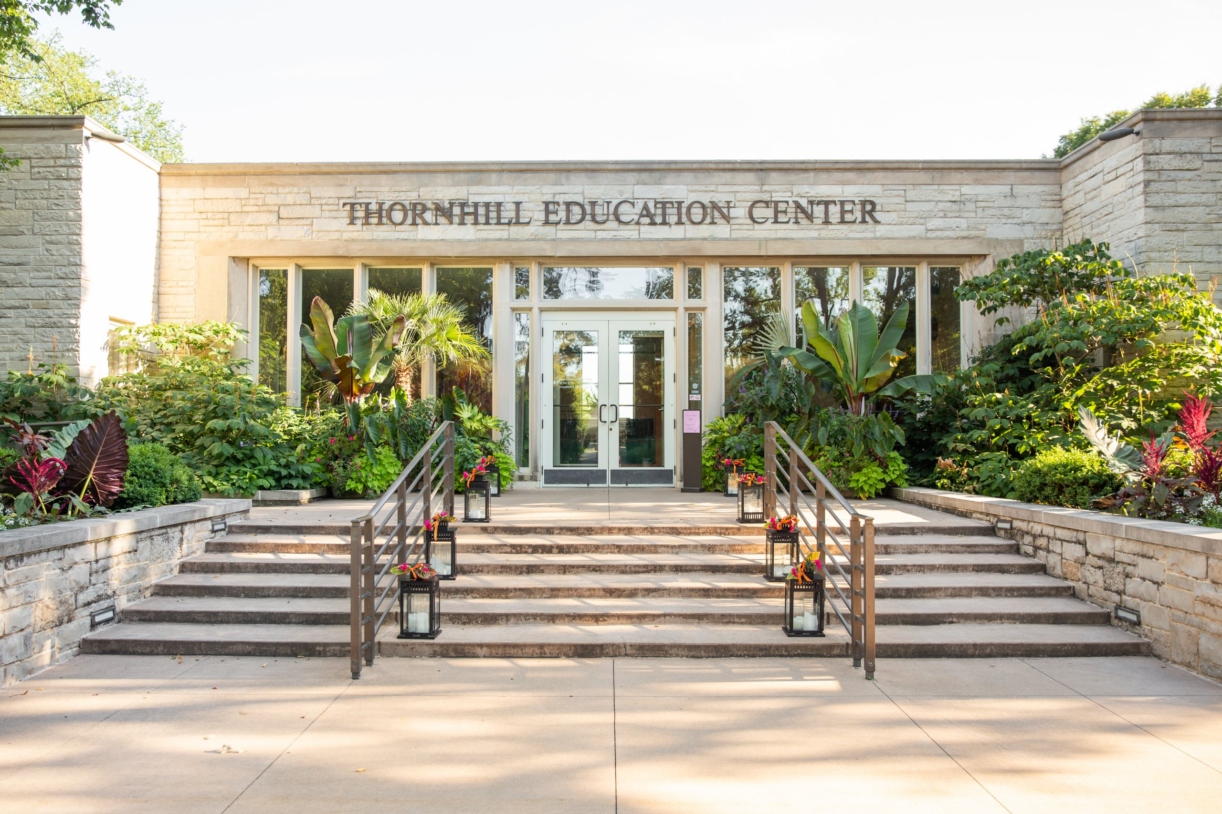
Thornhill Building, a new educational facility, opened on the site of the razed Morton mansion. May Watts developed an innovative public education program, the first such program among U.S. arboreta. She was also known for her Tree Finder and Flower Finder identification books, and her book Reading the Landscape (1957, revised 1975 and 1999). In 1963 she originated the Illinois Prairie Path, the first rails-to-trails project in the U.S.
1952
A rustic Outpost with overnight accommodations was completed to house week-long workshops and later a 5th grade residential environmental education program.
1953
Sterling Morton (1885-1961), son of Joy Morton, became Chair of the Board of Trustees after his sister Jean’s death, serving for eight years. Achievements during his tenure included adding a new research wing to the Administration building, initiating a practical research program; dedicating an auditorium in the building to Jean; increasing the size of professional staff; and adding considerable acreage.
1957
Construction of the East-West Tollway and widening of Illinois Route 53 changed the Arboretum landscape, resulting in new lakes, roads, and a staffed gatehouse.
1960
An admission program went into effect.
1961
Suzette Morton Davidson (1911-1996) became Chair of the Board of Trustees after her father Sterling’s death, serving for 16 years.
1962
The Schulenberg Prairie restoration project began.
1963
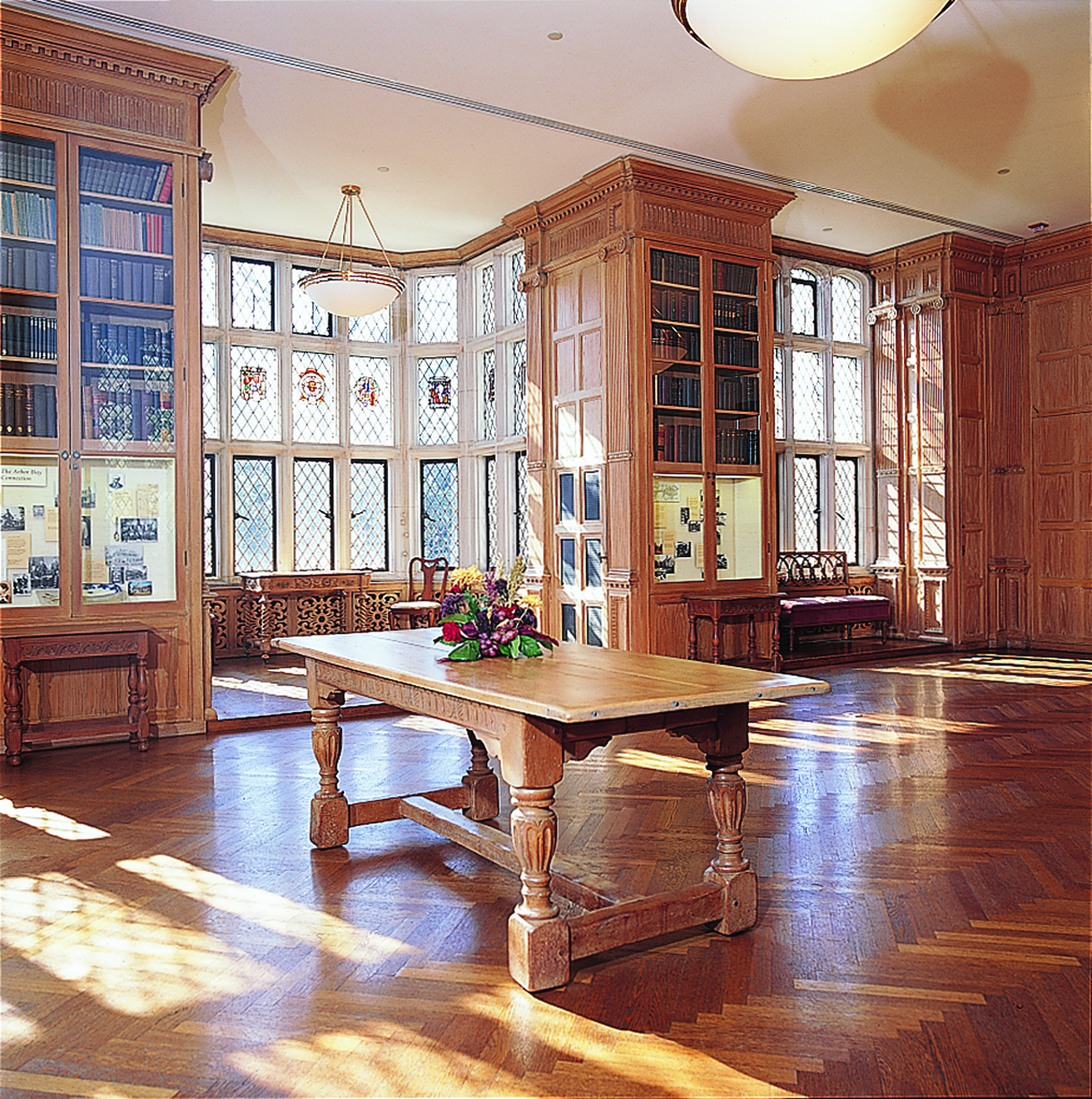
The Sterling Morton Library was built, and Mrs. Davidson greatly expanded the rare botanical book and art collection. A formal scientific Research program was established.
1966
After 45 years at the Arboretum, Clarence Godshalk retired and was succeeded as director by Dr. Marion Trufant Hall (1920–2020), a scientist of broad interests and experience. Over the next 24 years he led the Arboretum’s growth as a major scientific and cultural institution. An elm-breeding program was started to develop hybrids resistant to Dutch elm disease.
1968
The Plant Clinic opened.
1972
The Arboretum celebrated its 50th anniversary. A general master plan was developed; the Visitor Center was built in memory of Suzette’s mother; a membership program was inaugurated; the first catalog of the plant collections was published; and an exhibition of the Arboretum’s rare books was held at the Newberry Library in Chicago.
1973
The first stand-alone Visitor Center opened.
1976
The Arboretum was accredited as a museum by the American Association of Museums.
1977
Suzette Morton Davidson retired and selected her successor, Charles C. Haffner III, as the first person outside the Morton family to serve as Chair of the Board of Trustees.
1980
The volunteer program was formalized.
1982
The new Research Center was dedicated.
1985
The Fragrance Garden was developed.
1990
Dr. Gerard T. Donnelly, a botanist with background in forest ecology and experience in teaching and garden administration, was hired as Executive Director and later was titled President and CEO.
2001
W. Robert Reum was elected Chair of the Board of Trustees.
2004
The Branching Out! strategic initiatives and first-ever capital campaign resulted in new programs, services, and facilities, along with expanded outreach to the public. Projects coming to fruition this year included a visible and welcoming entrance to the Arboretum, an environmentally-sound main parking lot, a new Visitor Center, a Maze Garden, and a restored Meadow Lake.
2005
As part of the Branching Out! site redevelopment, the four-acre Children’s Garden opened. The Morton Arboretum co-hosted the American Association of Botanical Gardens and Arboreta annual conference in Chicago and suburbs.
2011
The Morton Arboretum led the creation of ArbNet, a program that identifies arboreta worldwide, offers opportunities for exchanging professional information, and provides an accreditation program for them. The Morton Arboretum received accreditation as an arboretum through ArbNet.
2012
The Morton Arboretum renewed its accreditation as a museum with the American Alliance of Museums.
2013
The Morton Arboretum launched the Chicago Region Trees Initiative—a collaborative effort to build a healthier urban forest in the seven-county region. Also, the Arboretum introduced a major wintertime exhibition, Illumination: Tree Lights at The Morton Arboretum.
2014
Darrell B. Jackson was elected Chair of the Board of Trustees.
2015
A five-year project began to restore the section of the East Branch of the DuPage River that runs through the Arboretum. For the first time, the Arboretum served 1 million annual visitors.
2017
The Growing Brilliantly campaign was publicly launched to raise support for a new curatorial and operations center, Center for Tree Science, tree conservation programs, new plant development, and Children’s Garden enhancements. The curatorial and operations center opened, as did a new education support building. Christopher B. Burke was elected Chair of the Board of Trustees.
2020
Arboretum operations were curtailed in unprecedented ways by the coronavirus pandemic, starting March 16, causing closure of the grounds in April and May and otherwise limiting programs and services in the months to follow. However, efforts were active to maintain contact with members and the public, and offer adjusted operations, creative alternatives, and innovative solutions to keep people engaged with the tree-focused mission. Stephen C. Van Arsdell was elected Chair of the Board of Trustees.
2022
To commemorate the Arboretum’s centennial year, and to honor the organization’s longtime President and CEO upon his retirement at the end of the month, The Gerard T. Donnelly Grand Garden opened to the public on September 18. Upon the 150th anniversary of Arbor Day in April, the Arboretum launched the Centennial Tree Planting Initiative to plant 3,000 trees throughout the Chicago region. Additionally, three new sculptures were added to the Human+Nature exhibition, and more than 100 special programs and events were offered throughout the year, with the celebration culminating on Founder’s Day, December 14. With leadership experience in science-focused environmental nonprofits, Jill Koski became President and CEO.
2023
Robert J. Schillerstrom was elected Chair of the Board of Trustees. The newly constructed Firefly Pavilion opened as a facility for private rental events.
For more information about the Arboretum’s history or founder’s life, read:
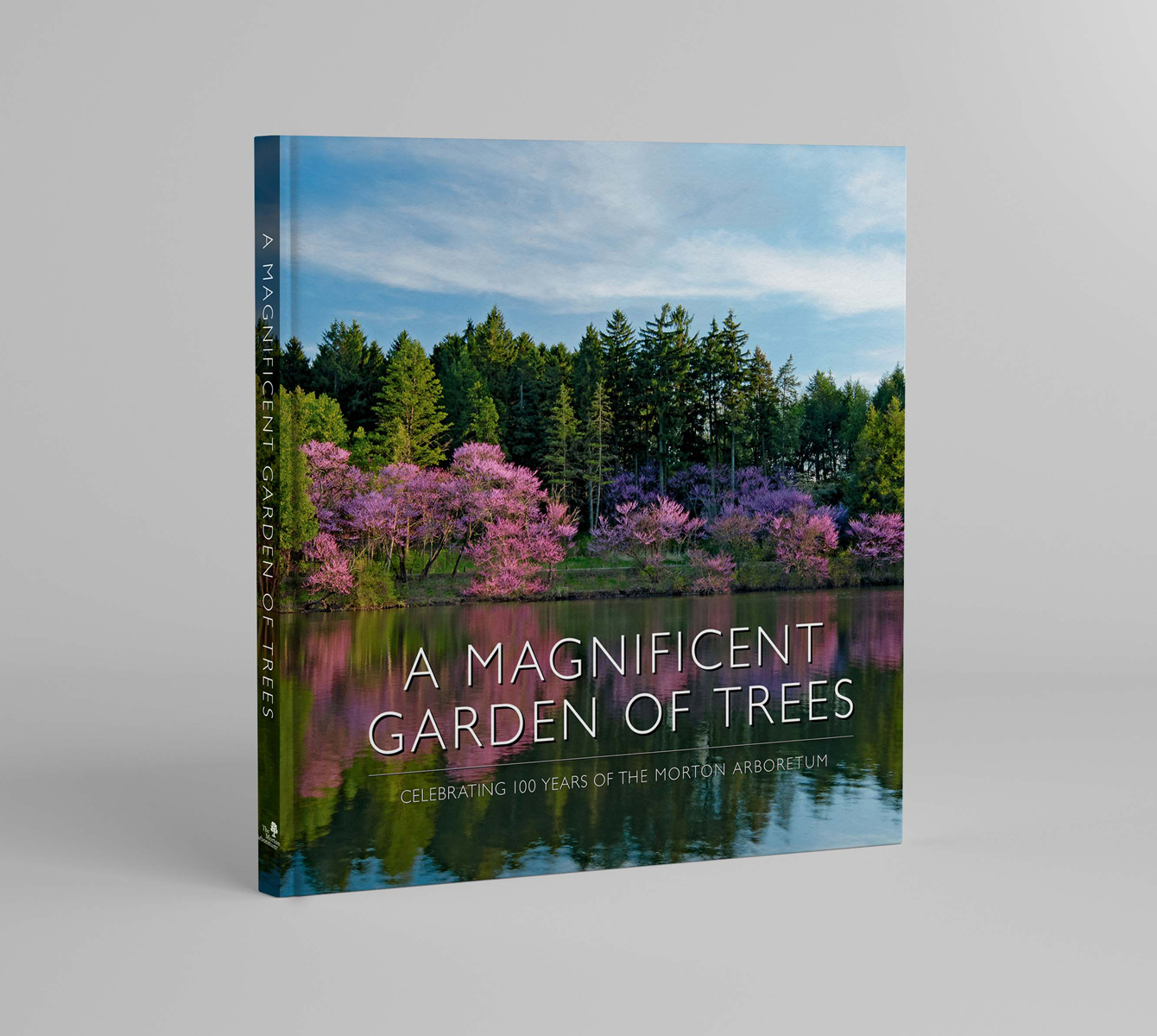
A Magnificent Garden of Trees: Celebrating 100 Years of The Morton Arboretum (2022). 168-page overview of the Arboretum.
A Man of Salt and Trees: The Life of Joy Morton, by James Ballowe (2009). 287-page biography.
Both books are available for sale at The Arboretum Store.