Water Shapes the Arboretum
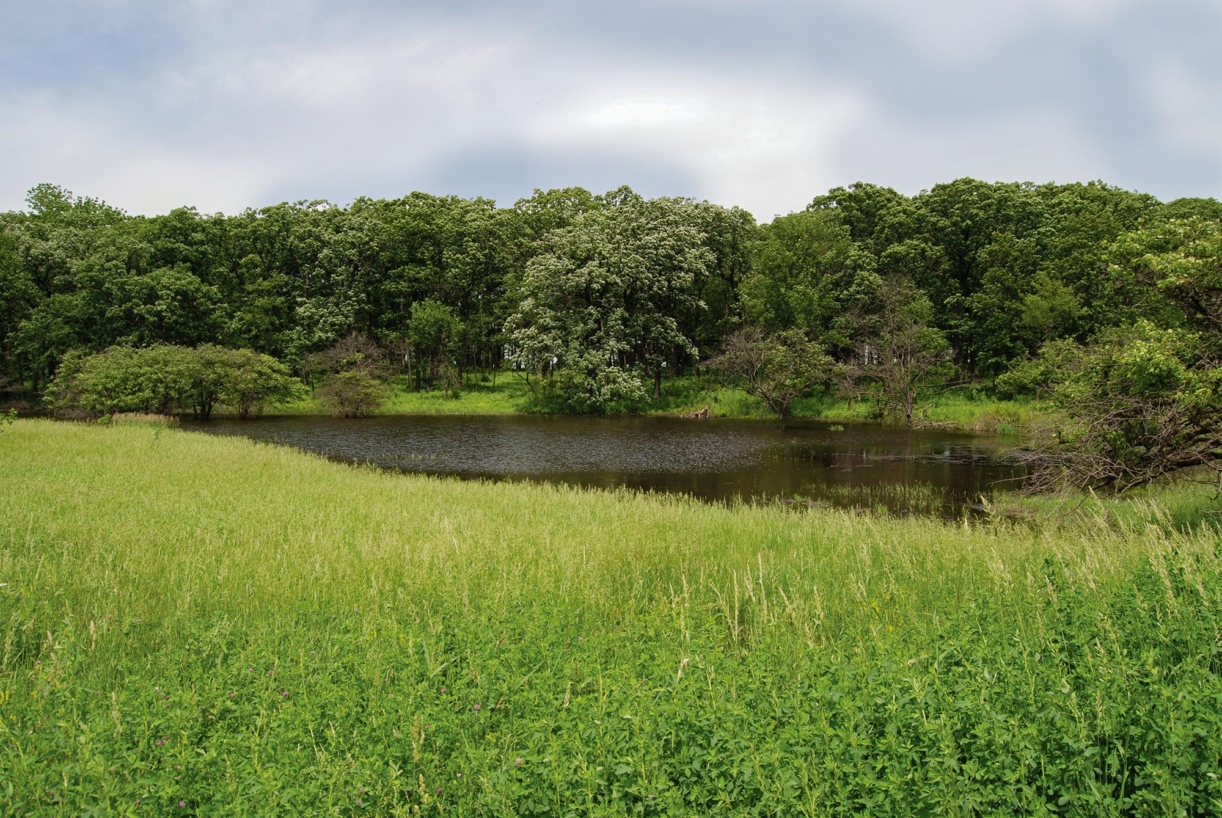
Trees fill The Morton Arboretum, but water shapes it. Vernal pools form in the woods from spring rains, lasting just long enough for frog and salamander eggs to hatch. Lakes reflect the pink bloom of redbud trees and the flame of autumn leaves. Little creeks meander through prairies, finding their way to the river. Flower-filled wetlands flash with dragonflies and ring with birdsong.
“You can’t tell the story of the Arboretum without telling the story of its water,” said Mark Richardson, vice president of collections and horticulture.
“Water is the main factor in the geology and geography of the Arboretum,” said Spencer Campbell, senior manager of natural areas. Where it’s dry, there is prairie. Where it’s moist enough, there are trees. Where it’s too moist for trees, there are wetlands. And at the heart of the Arboretum is a river.
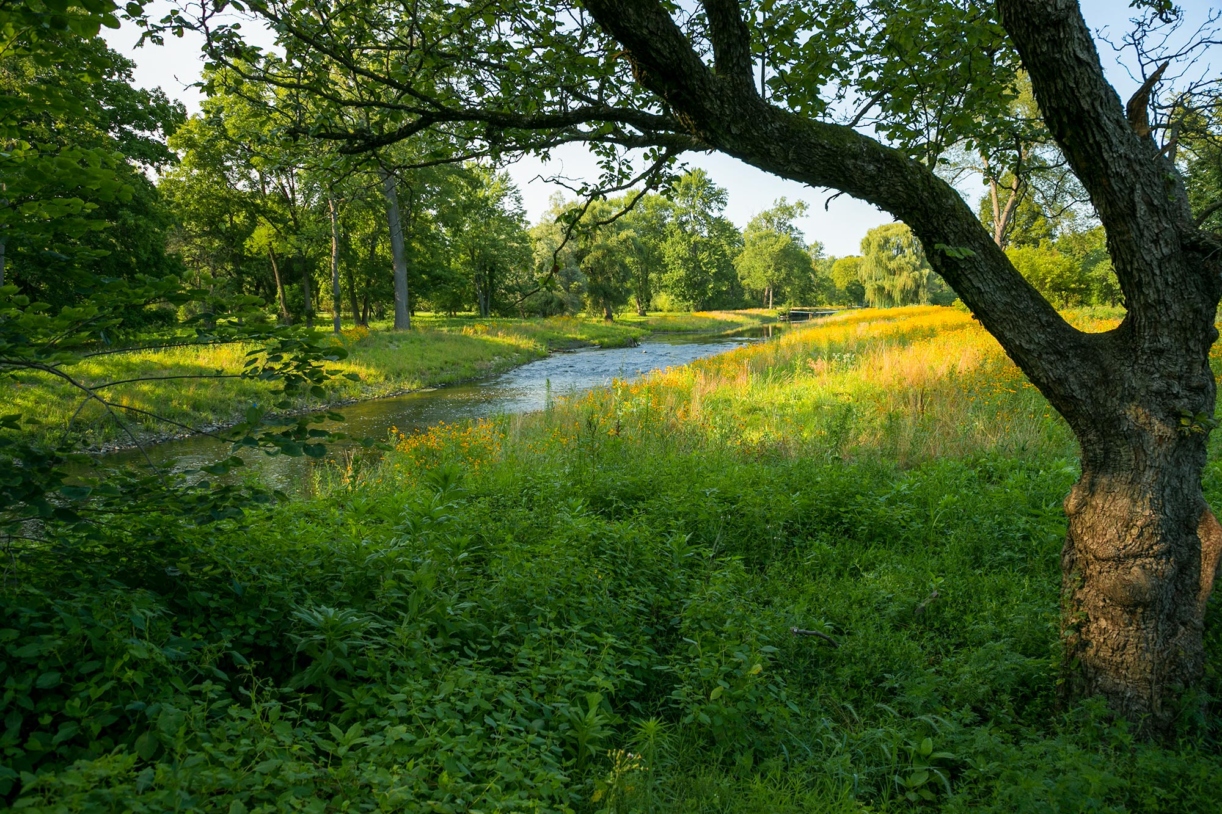
The East Branch of the DuPage River (above) was created at the end of the last ice age. A melting glacier left behind the heaps of gravel and rock that make up the Arboretum’s hills, and also created low spots where water could collect. One day, a sudden torrent of glacial meltwater pushed through to carve the river.
Where the Visitor Center and nearby buildings now stand, this lazy little river once curved and looped among the marshy wetlands that filled its floodplain. Much of that floodplain is now paved over by Route 53.
Yet despite development, today the Arboretum hosts a remarkable biodiversity of plants and animals in a wide range of wet places, from moist prairies to lakes. What’s even more remarkable is that so many of those habitats were either created by the Arboretum or have a history in which humans and nature have both played a part.
Near parking lot P-19, for example, is a thriving wetland including Sunfish Pond that pulses in spring with the calls of chorus frogs. Until about two decades ago, it was part of the Europe Collection, with an area along Route 53 that always flooded in big rains.
There was an obvious reason: Before the river was straightened in the 1920s to benefit agriculture and the road was paved, this area had been a riverside wetland. Wild, meandering rivers naturally expand into their adjacent wetlands when they flood from snowmelt and spring rains, and then gradually narrow again as the water makes its slow way downstream. The soil in floodplains tends to be rich because floods bring organic matter from upstream.
The DuPage River was far from wild two decades ago, but its floodplain was still a fine place for a wetland, so the low spot by parking lot P-19 became one of the places selected to retain stormwater to make up for the construction of the Visitor Center. Because the land had been altered so much, the wetland had to be recreated from scratch. It still needs to be maintained by the constant effort of staff and volunteers. But after 20 years of careful seeding and tending, it is now a magnet for hungry migrating birds, attracted by seeds and insects.
At the same time, Meadow Lake was constructed to be the reservoir of a system that collects runoff from nearby roofs and paving and through the permeable pavers of parking lot P-1. Its sloping shoreline is planted with masses of native plant species chosen for their ability to thrive as the lake’s level rises and falls.
All the Arboretum’s lakes are constructed rather than natural. Lake Marmo and Sterling Pond, for example, were created a century ago by excavating and damming Willoway Brook.
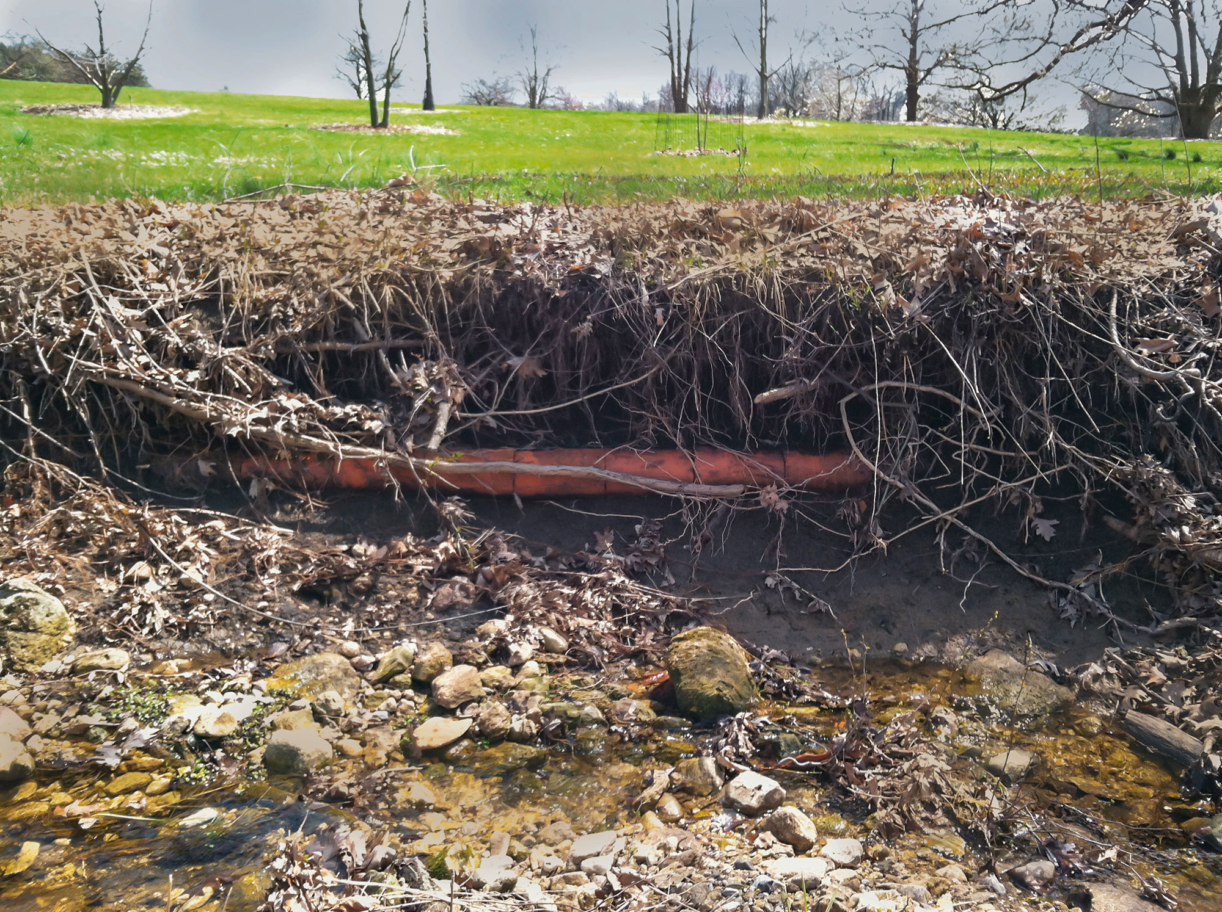
Other wetlands were reclaimed from agriculture. In the 19th and early 20th centuries, when large parts of the Arboretum were farmed, the farmers drained water from their fields by burying clay pipes called drain tiles. The Arboretum still uses drain tiles to control soil moisture in a few areas, such as the Tree Breeding Nursery.
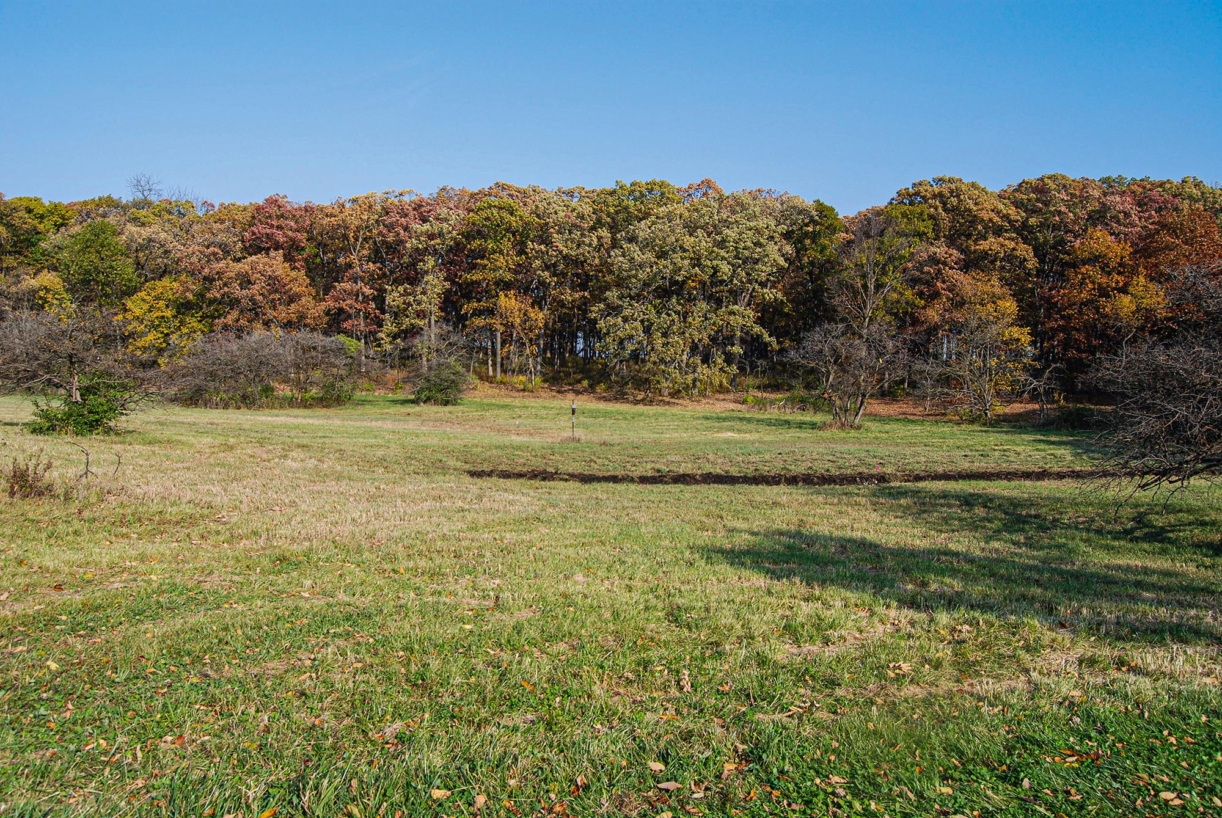
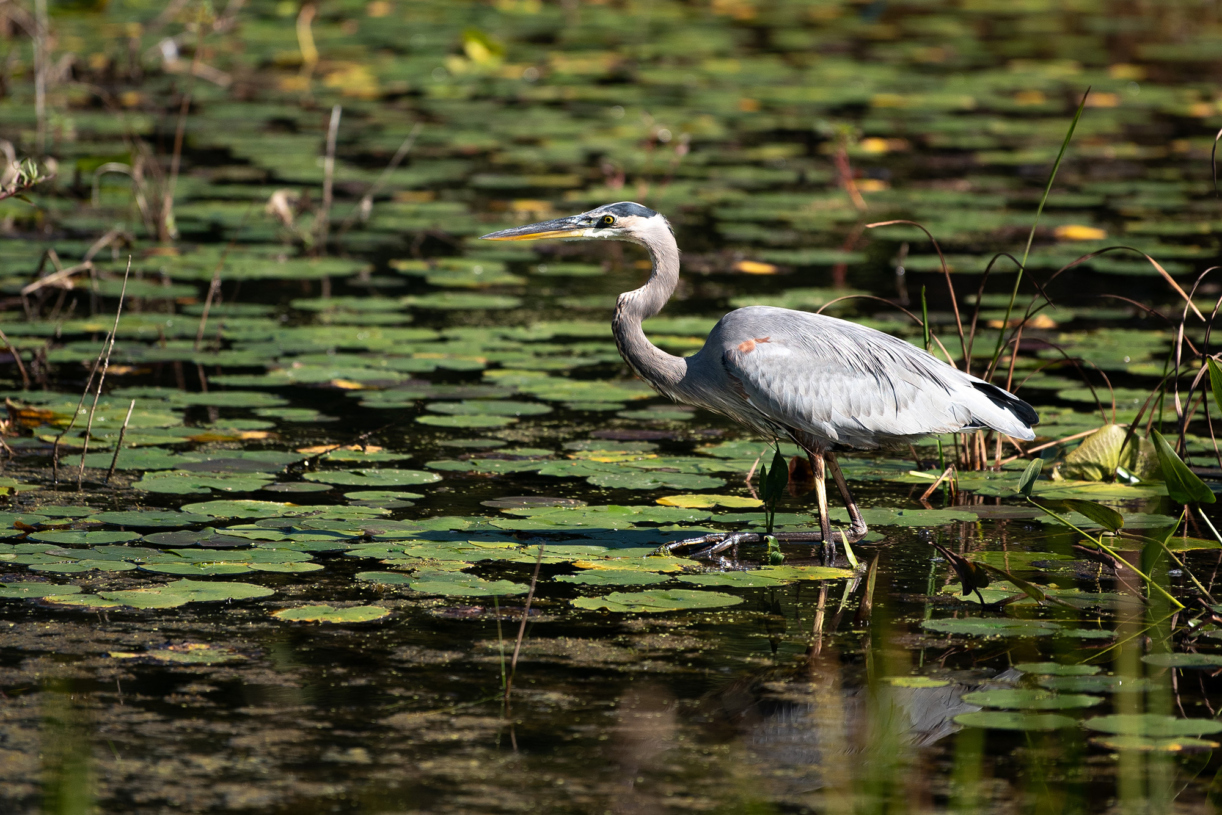
But in many other places, including the Schulenberg Prairie and Lost Lake near parking lot P-14, the drain tiles have been disabled to allow water to accumulate naturally. The result can seem like magic, when wetland plants sprout and bloom from seeds that may have blown in from nearby wetlands or been waiting in the soil for a century or more. “Never underestimate a plant’s determination to survive,” Campbell said. Plants bring animals: Turtles appear. Herons stalk frogs.
Wetland biodiversity doesn’t always come back that easily. Along the DuPage River, native plants had to be seeded and planted by hand, starting in 2015, to hold the banks against erosion. Artificially deepening and straightening the river had caused the water to flow faster, carving away at its banks. The water-slowing curves could not be brought back because the floodplain was so built up, but the new planting has done its job. Erosion is no longer gouging the soil from around the roots of trees.
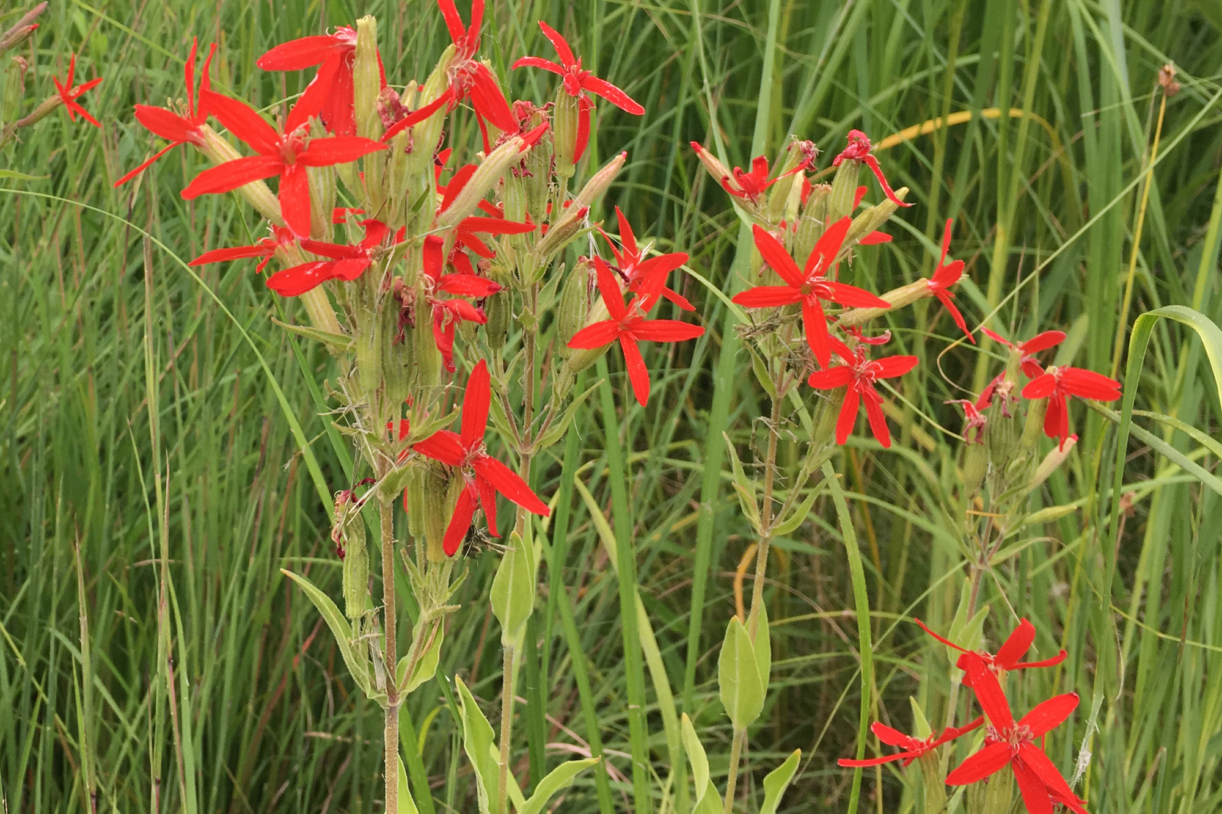
More restoration work in the river itself, such as the addition of logs and other structures to create sheltering eddies and ripples, has improved habitat in the water. How do we know? Careful monitoring counts not just plants that sprout, but animals that move back in. It was a good sign when greenside darters, small fish that like to live in swift riffles in shallow water, reappeared in the river. It’s encouraging to see prairie crayfish in Bur Reed Marsh. Virginia catchfly, with red flowers that resemble fireworks, now bloom near Lost Lake.
Campbell is immensely proud of the Arboretum’s amphibians, which breed in those ephemeral ponds in the woods. “We have one of the largest populations of spring peepers in Illinois because the East Woods have so many ephemeral ponds,” he said. Amphibians are very sensitive to pollution and other stresses, so their prevalence is considered a good indication of the overall health of an ecosystem. By the evidence of its frogs, toads, and salamanders, things are improving at the Arboretum.
The Arboretum has a great diversity of birds because its varied landscape offers them so many choices of habitat, including prairie, woodland edges, forests, lakes, creeks, ponds, and marshes.
Recreating, restoring, and maintaining the Arboretum’s wetlands, like all its natural areas and collections, takes a great deal of expertise and effort. It also depends on support from the Arboretum’s donors. Their generosity is like the nutrient-rich water that flows from upstream to swell the river: It makes everything possible.