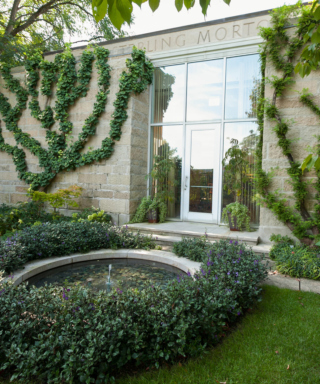
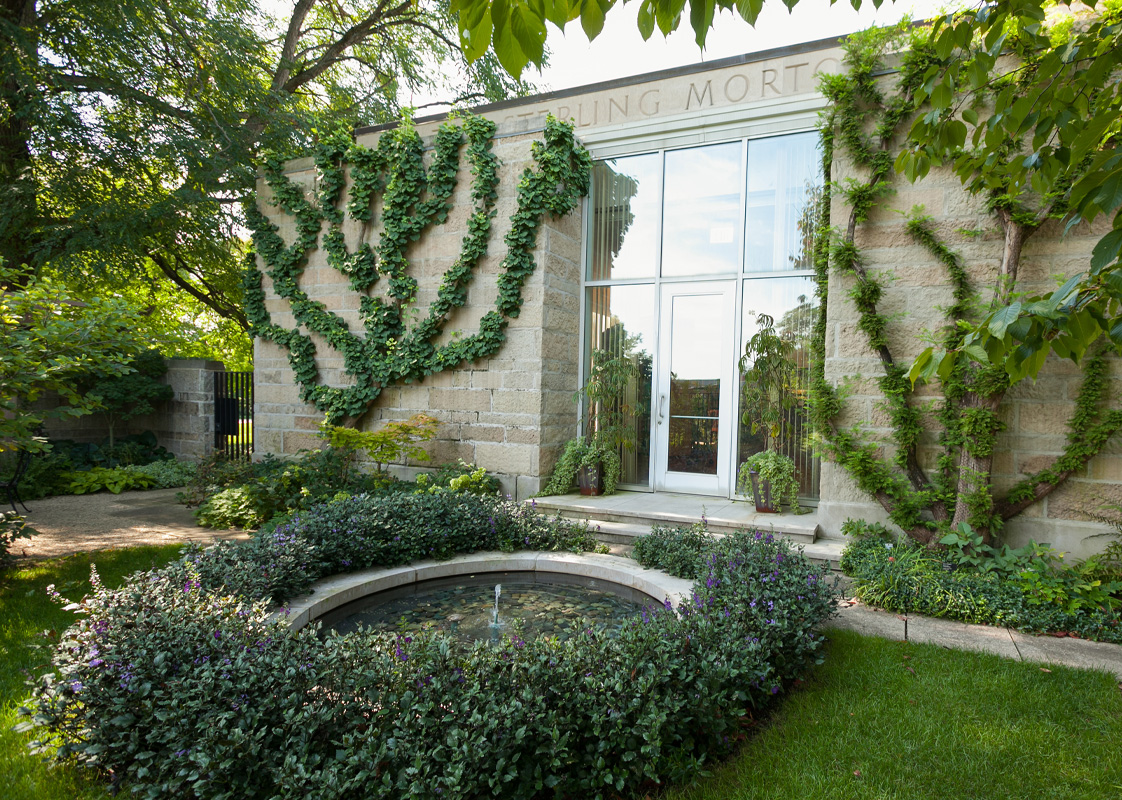
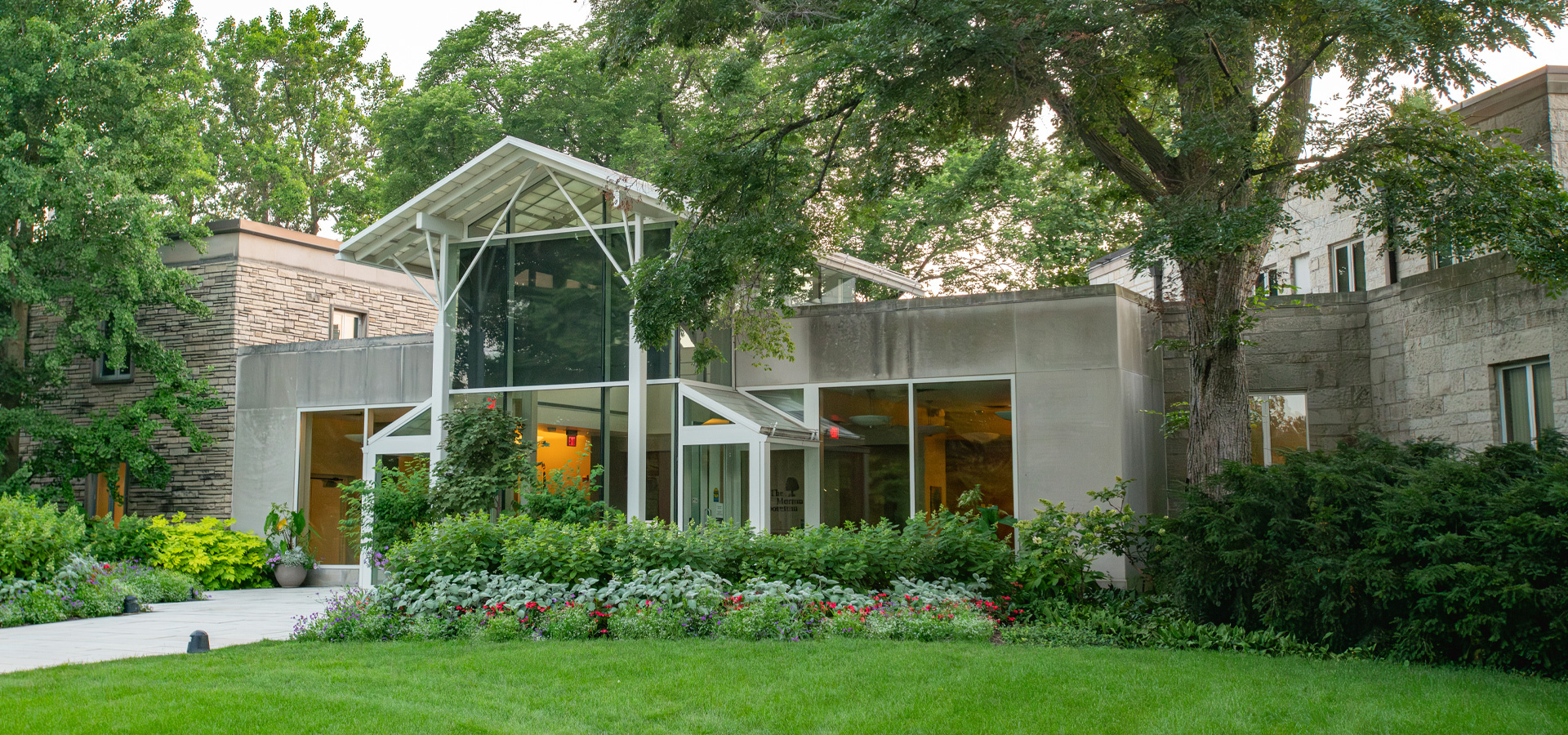
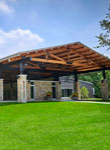
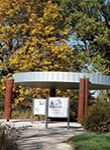
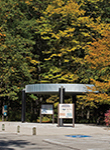
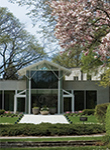
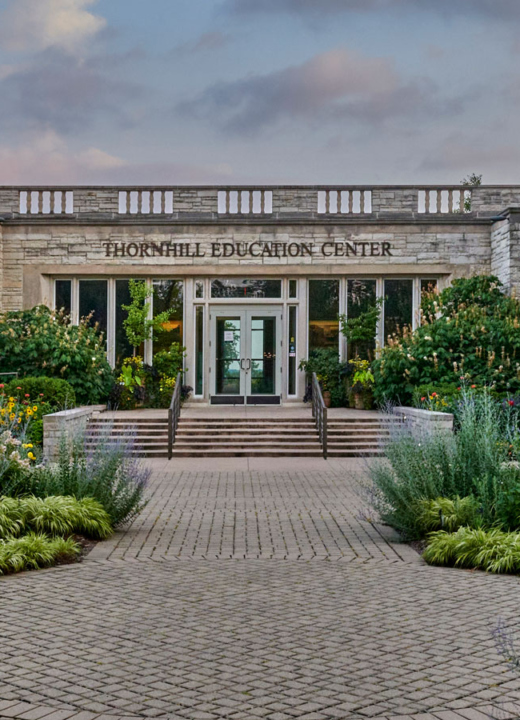
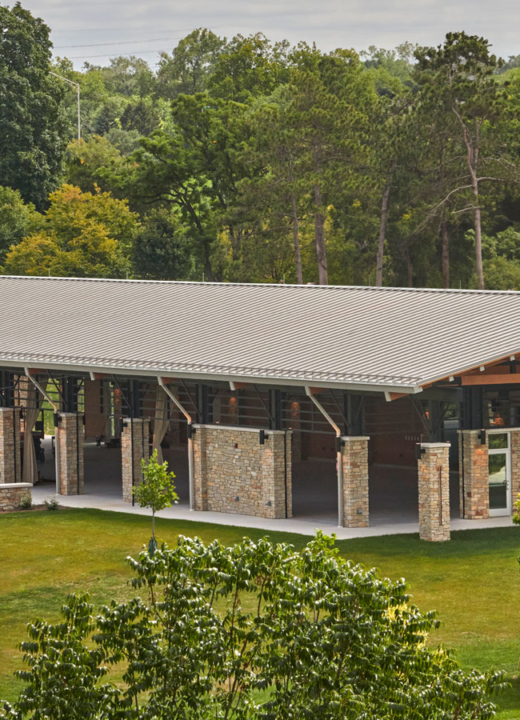
The Administration and Research Center is a building complex that supports a range of administrative, research, and educational needs for Arboretum staff and guests. It is located on the Arboretum’s East Side, near the west end of The Gerard T. Donnelly Grand Garden.
Guests are welcome to visit the Sterling Morton Library; the Herbarium, which is open by appointment; and the Cudahy Room, which is often used for educational programs and special events. Areas that are used for scientific and administrative purposes are closed to the public.
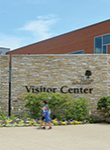
To reach the Administration and Research Center, park in parking lot P-1 and pass through the Visitor Center breezeway to find paths to the Administration and Research Center.
Important Information
Hours: The Administration and Research Center lobby is open to the public Monday through Friday from 9:00 a.m. to 5:00 p.m. The Sterling Morton Library is open Tuesday through Saturday from 10:00 a.m. to 2:00 p.m. Visits to the Herbarium must be scheduled in advance. Research labs are not open to the public.
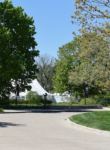
Parking: The nearest available parking lot is P-1, on the Arboretum’s East Side. Additional accessible parking and an accessible ramp are available on the north side of the building.
Restrooms: Restrooms on the first floor of the Administration and Research Center are open to guests on weekdays from 9:00 a.m. to 5:00 p.m., and from 10:00 a.m. to 2:00 p.m. on Saturday.
Seating: Chairs are available in the lobby of the Administration and Research Center. Tables and chairs are available in the Sterling Morton Library during open hours.
Accessibility: Accessible parking is available on the north side of the building, as well as in parking lot P-1. An accessible ramp leads to the Administration and Research Center main entrance. Accessible restrooms can be found on the ground floor near the library. The May T. Watts Reading Garden has a paved central area with tables that are accessible by wheelchair.
Admission: Entrance to the Administration and Research Center is included with Arboretum admission.
Sterling Morton Library
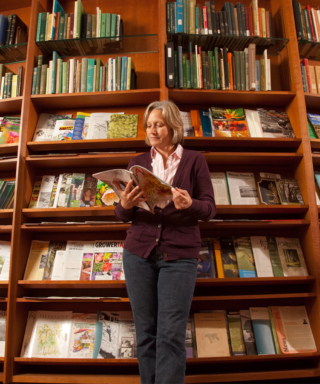
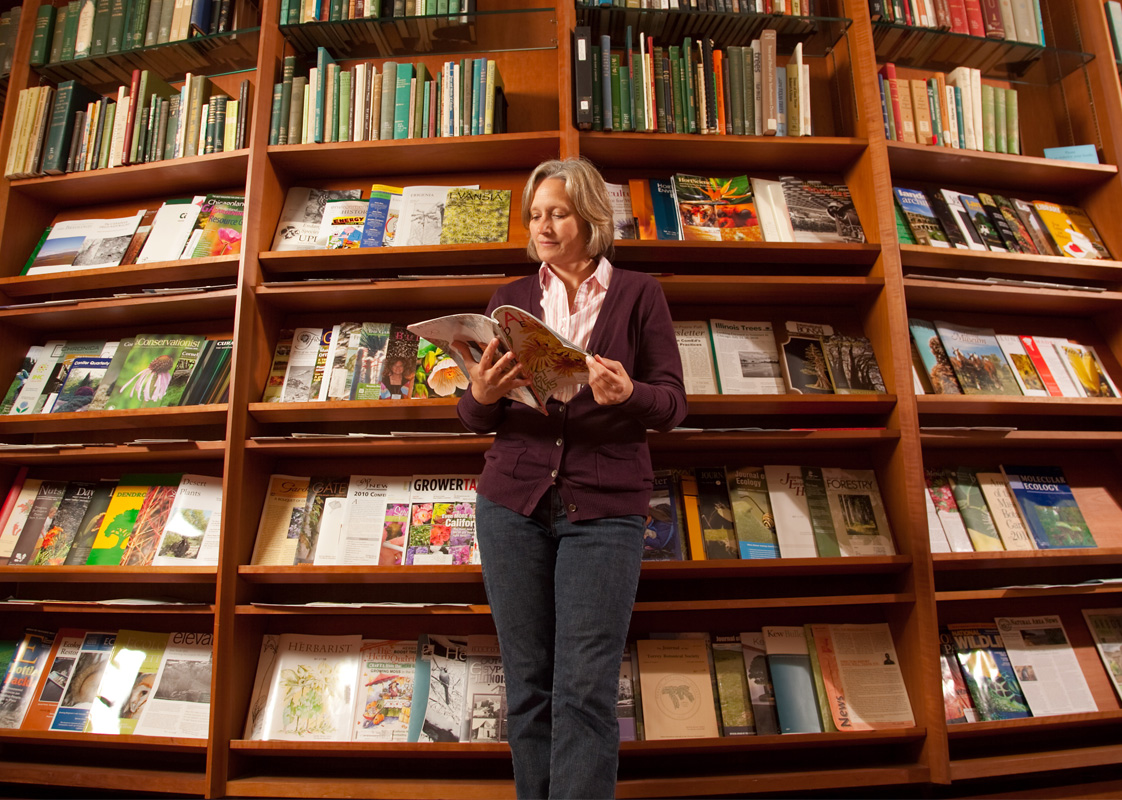
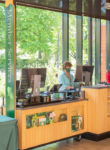
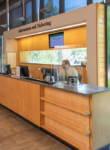
The Sterling Morton Library specializes in botanical and horticultural materials. It is open to the public Tuesday through Saturday from 10:00 a.m. to 2:00 p.m. The library is on the first floor of the Administration and Research Center, with its entrance at the right side of the lobby.
The Sterling Morton Library’s collection is rich with materials including historic and contemporary books, journals, artworks, correspondence, papers, nursery catalogs, landscape plans, maps, video and audio recordings, nature books for children, photographic images, and specimens for browsing and research.
Arboretum members, staff, and volunteers can borrow books from the circulating collection as well as the e-book collection. Books and artifacts from the Suzette Morton Davidson Special Collections can be examined by appointment.
The library, opened in 1963, is named for Sterling Morton, son of Arboretum founder Joy Morton and a former chair of the Board of Trustees. An addition for research was constructed in 1982, and another to house the special collections was built in 2000.
May T. Watts Reading Garden
Enter the intimate May T. Watts Reading Garden through the Sterling Morton Library for a tranquil place to relax and read.
The garden is named in honor of May Theilgaard Watts, an artist, educator, and environmentalist who was on staff at The Morton Arboretum from the 1940s through the 1960s. Many of her books and artworks are still in use, and much of her art is in the library’s special collections.
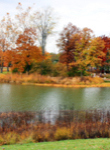
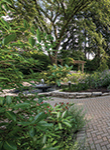
With seating surrounded by a rustic stone wall, lush plantings of flowers and shrubs, and a small pond, the garden is a fine spot to read one of the library’s many books.
The reading garden is open April through October, during library hours.
Cudahy Room
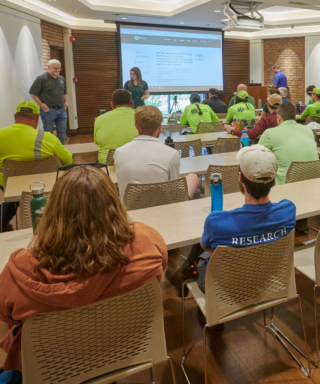
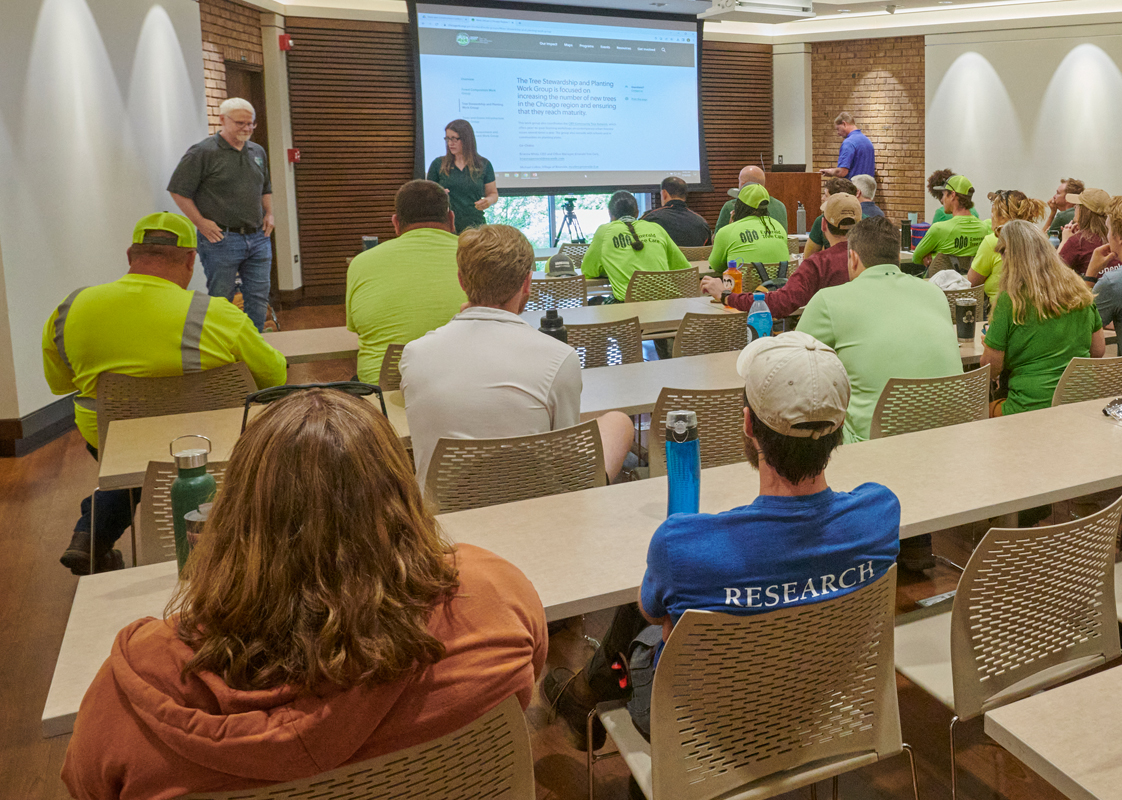
The Cudahy Room is used for educational programs, special events, meetings, and other functions. It is on the first floor near the main entrance of the Administration and Research Center.
The room is named for Jean Morton Cudahy, daughter of the Arboretum’s founder, Joy Morton, and a longtime chair of its Board of Trustees.
The Herbarium
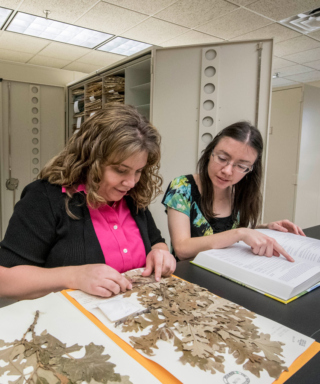
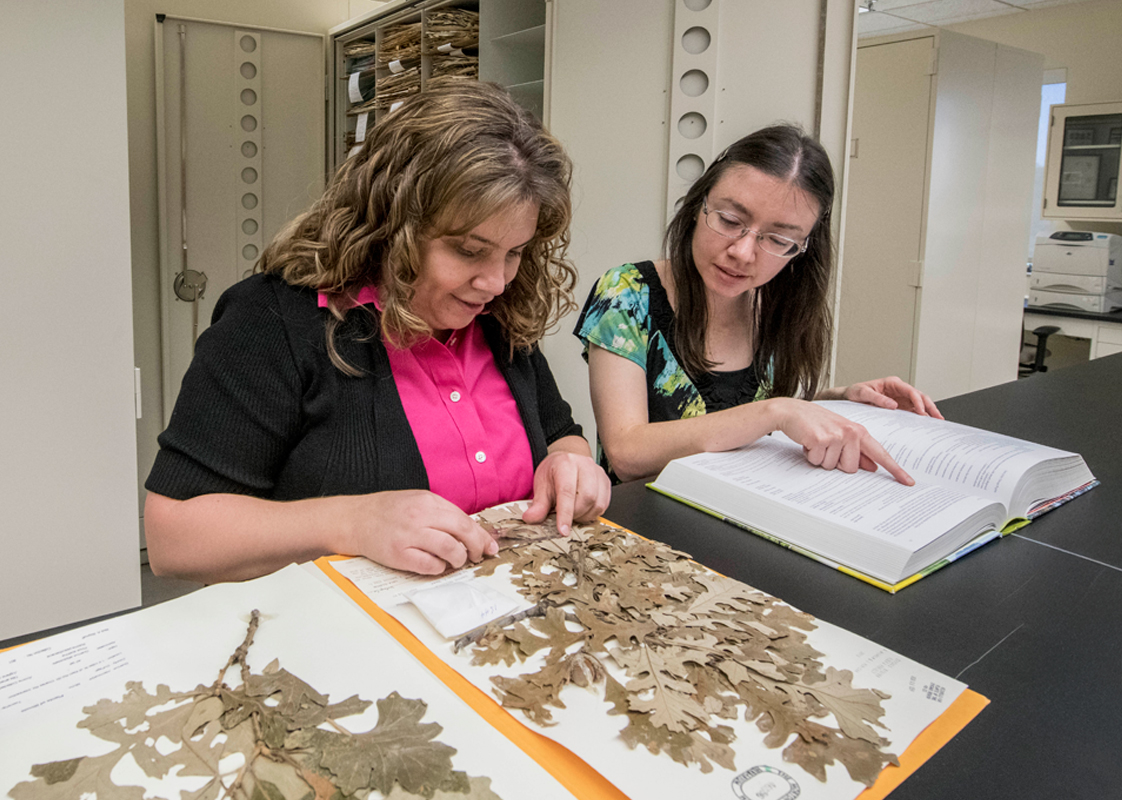
An herbarium is a library of dried, pressed plants from which researchers can learn about plants’ form, distribution, genetic relationships, evolution, and much more. The specimens housed by The Morton Arboretum Herbarium are used by researchers in botany, genetics, conservation ecology, restoration, and other disciplines. It is located on the third floor of the Administration and Research Center.
Researchers examine specimens to understand how species evolve, hybridize, and spread from continent to continent. With this information, they can answer questions about the past and contribute to biodiversity conservation in the future.
The Herbarium is most frequently used by researchers, students, and botanical professionals, but it is also open to guests by appointment.
Visitors—whether botanical artists, gardeners, or curious amateur botanists—are welcome to schedule orientation training with a staff member and visit the Herbarium.
On select dates, guests who are not members can attend a free 30-minute tour to learn how Herbarium staff and volunteers preserve and process specimens.
Research Laboratories
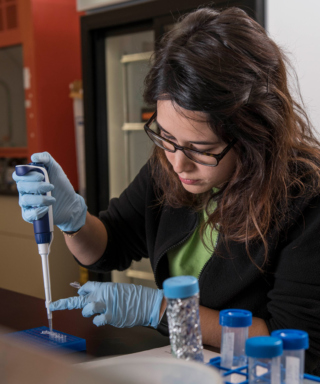
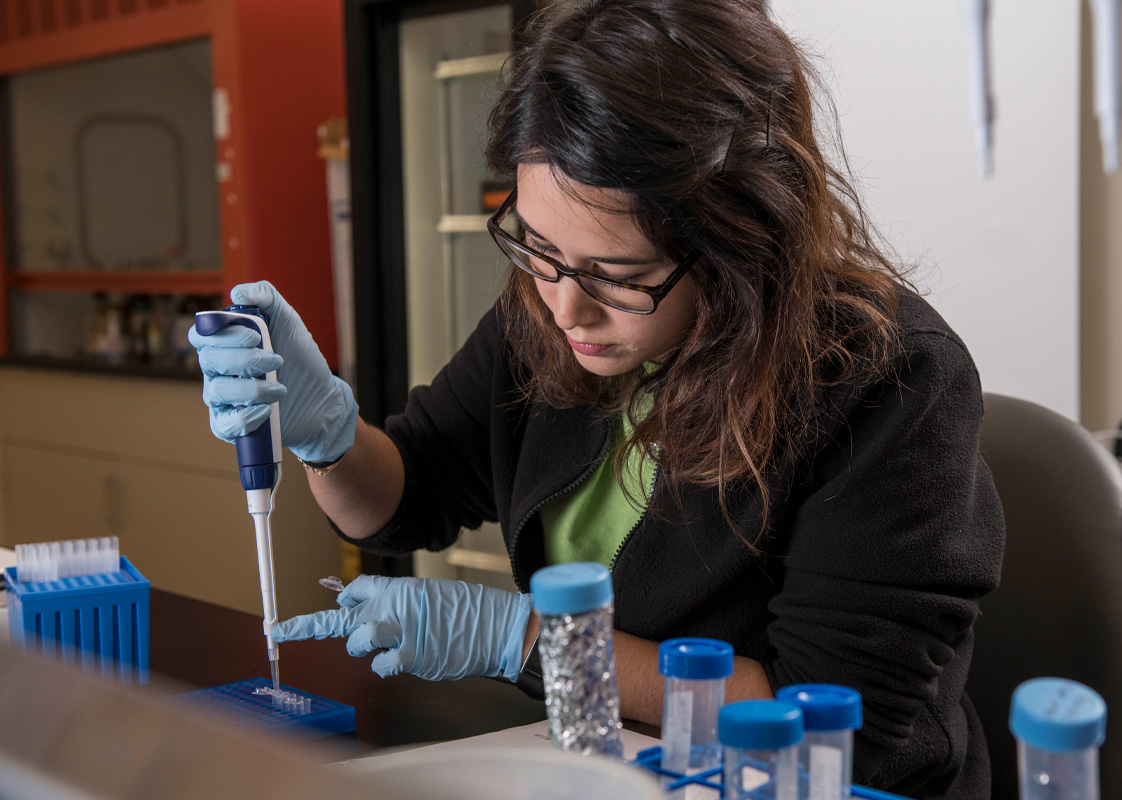
Scientists at The Morton Arboretum’s Center for Tree Science explore solutions to challenges facing trees to improve their health and resilience for people.
The Arboretum’s research laboratories are housed on the second and third floors of the Administration and Research Building: the Root Biology Laboratory, the Soil Ecology Laboratory, the Plant Systematics and Biodiversity Laboratory, and the Plant Health Care Laboratory.
The laboratories are not open to the public.
Projects conducted by Arboretum scientists and researchers investigate questions about tree care, plant diversity, climate change, and ecosystem restoration.
Accessibility
An accessible ramp leads to the Administration and Research Center entrance.
Indoor, accessible restrooms are available on the Research and Administration Center’s ground floor.
An elevator connects the three floors of the building.