Science

The Morton Arboretum Herbarium

A living record of regional biodiversity supporting research, conservation, and discovery.

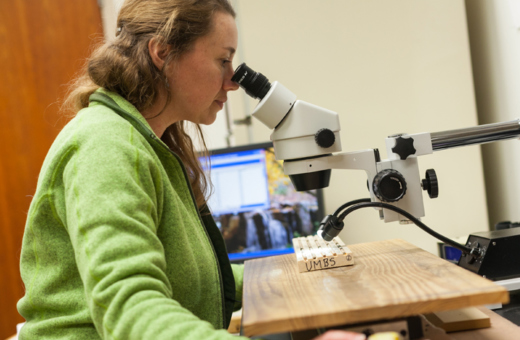
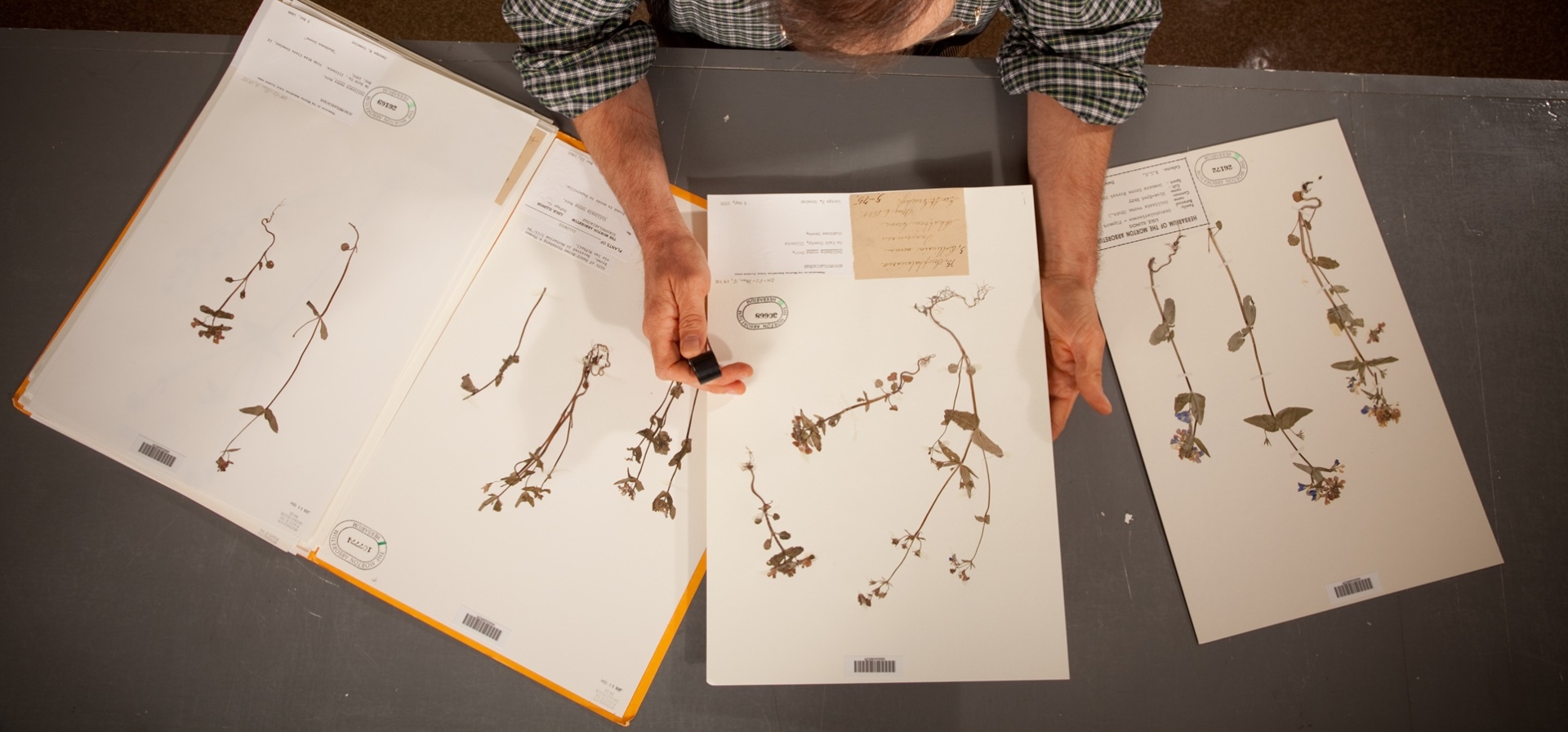
The Morton Arboretum’s Herbarium houses the most complete collection of dried plants of the rich and diverse flora of the Chicago region. Herbarium specimens are a crucial resource to researchers in botany, genetics, conservation ecology, restoration, and other disciplines.

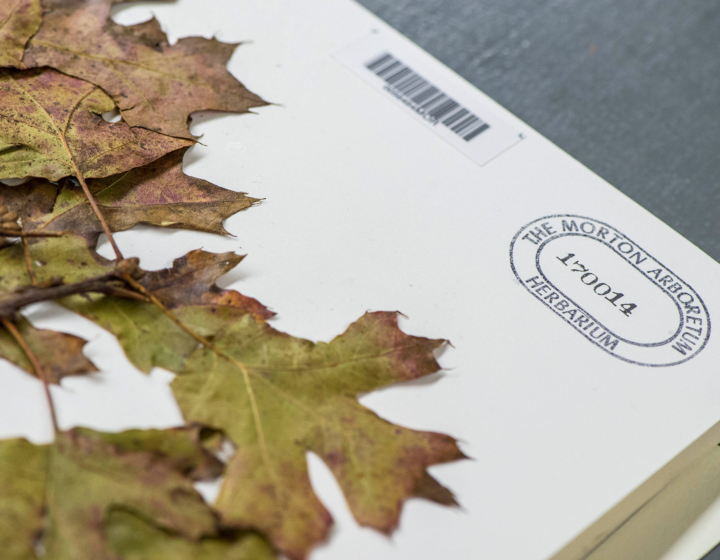
An herbarium is a curated collection of vascular plants, lichens, bryophytes, fungi, and wood—a time capsule of biodiversity and a tangible record of what has grown in an area. The Morton Arboretum Herbarium serves global communities of scientists, horticulturists, students, and the public as a research and education collection for studying and contributing to biodiversity conservation.

Why Are Herbaria Important?

Herbaria house specimens for hundreds of years, keeping them safe and preserved. Researchers can examine these specimens to learn species based on morphology, to verify the identification of specimens, and to enable the production of scientific literature—including monographs, treatments, floras, articles, and educational resources. Institutions worldwide use herbarium specimens in scientific research and conservation projects designed to restore plant communities and tackle key challenges facing trees.
The Morton Arboretum Herbarium Community

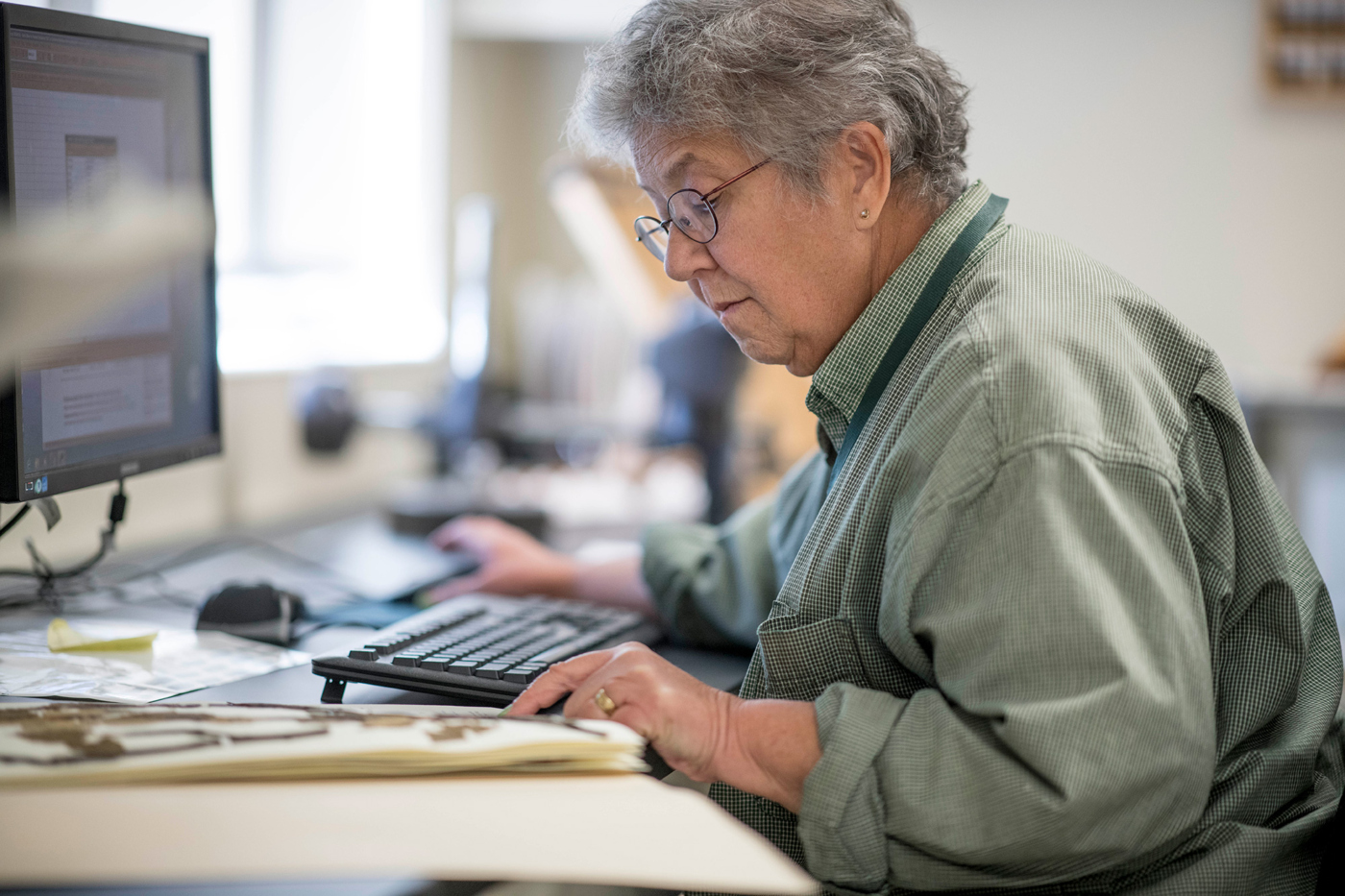
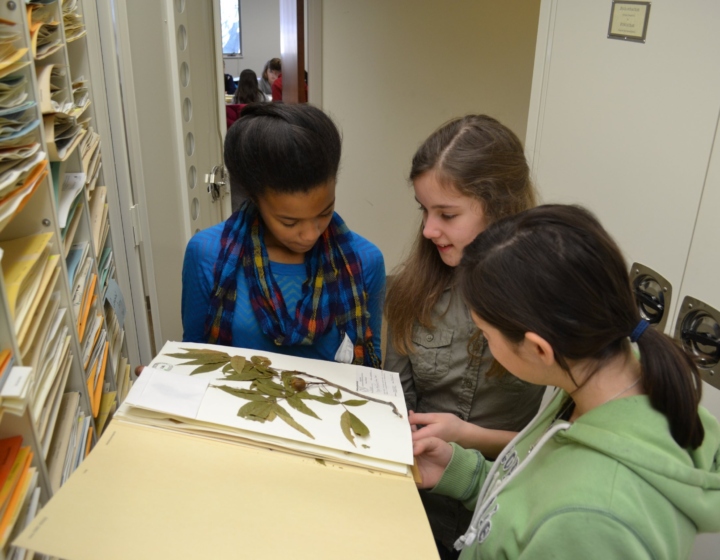
The Herbarium community is a broad coalition of researchers, green professionals, botanical artists, educators, and others interested in the rich and diverse flora of the Chicago region. Herbarium specimens and specimen data are accessible to the public.

Learn more: The Morton Arboretum Herbarium Community

Connect with the Herbarium

The Herbarium is a valuable resource to researchers, educators, students, and the public. Learn how you can study specimens, schedule a tour, or become a volunteer.

Learn more: Connect with the Herbarium

Frequently Asked Questions

  • Herbaria—museums of dried plant, lichen, and fungal specimens—are time capsules of biodiversity. They are a tangible record of what has grown in an area and a major resource for the community and researchers to understand global plant diversity.

    An herbarium can be thought of as a library of biodiversity. Herbarium specimens are museum artifacts that document plants from particular times and places.

    Herbarium specimens help researchers around the world understand what different plant species need in order to be healthy, grow, and reproduce, and how to conserve plant species and restore plant communities.

    “Herbaria” is the plural form of herbarium.

  • Herbaria house specimens for hundreds of years, keeping specimens safe and preserved from years past, with the intention of holding them safe for the long-distant future. Herbaria enable researchers to learn species based on their morphology, verify identification of specimens, and write monographs, treatments, floras, articles, and educational resources. Work conducted in herbaria reflects our understanding of how species are classified and what a species is.

  • The Herbarium admits visitors from the staff and professional colleagues; Arboretum guests; students and researchers from universities, colleges, and museums; staff of county, state, and federal agencies; ecological and botanical professionals; and qualified amateurs. Visitors from outside the Arboretum should email the Herbarium at herbarium@mortonarb.org in advance of the dates and hours they hope to visit, so that Arboretum staff can best accommodate their needs. The Herbarium is not currently staffed on weekends. Training is required prior to working with specimens or using equipment.

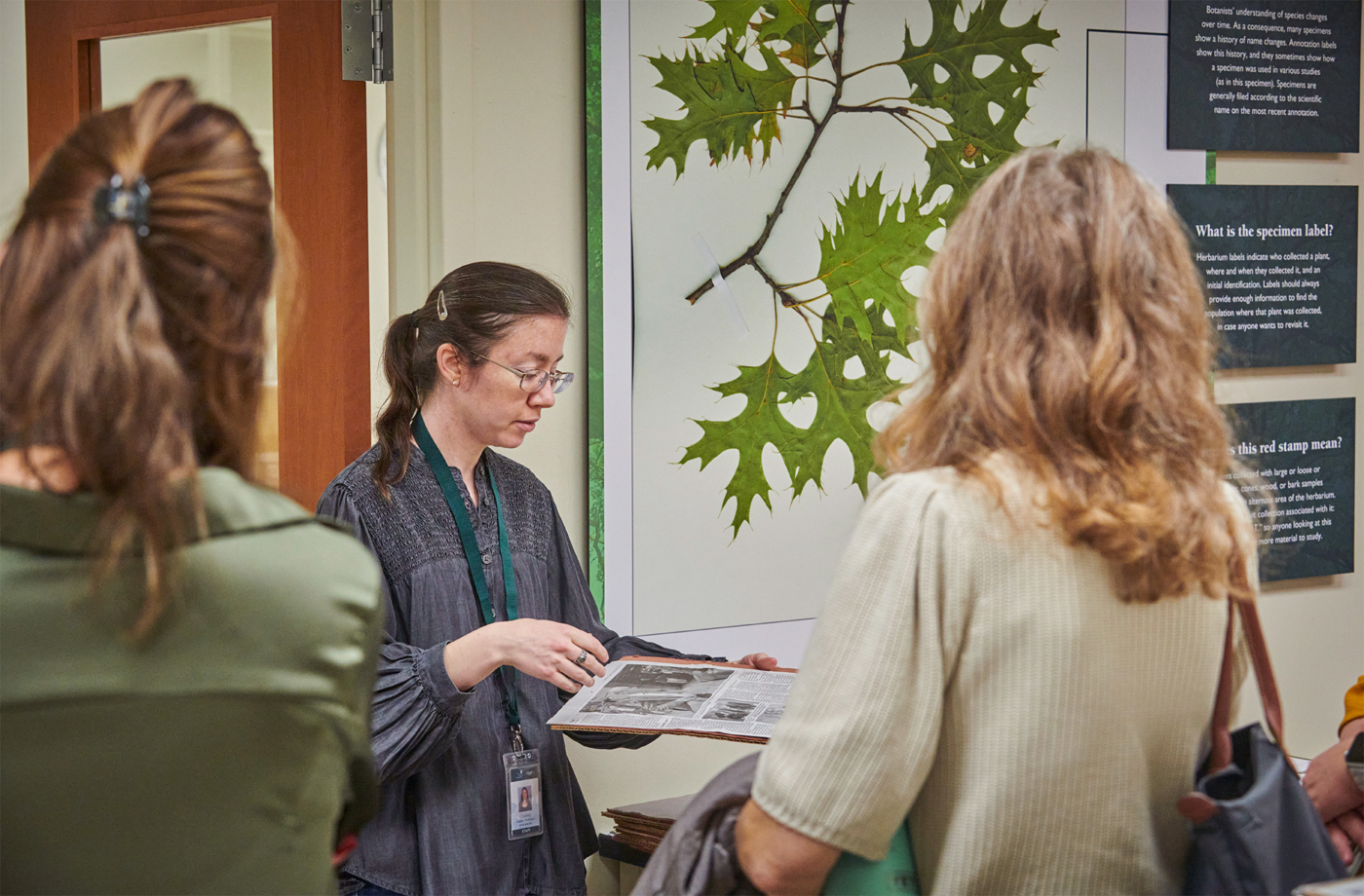
  • Plan a visit. Email the Herbarium at herbarium@mortonarb.org to arrange a tour.

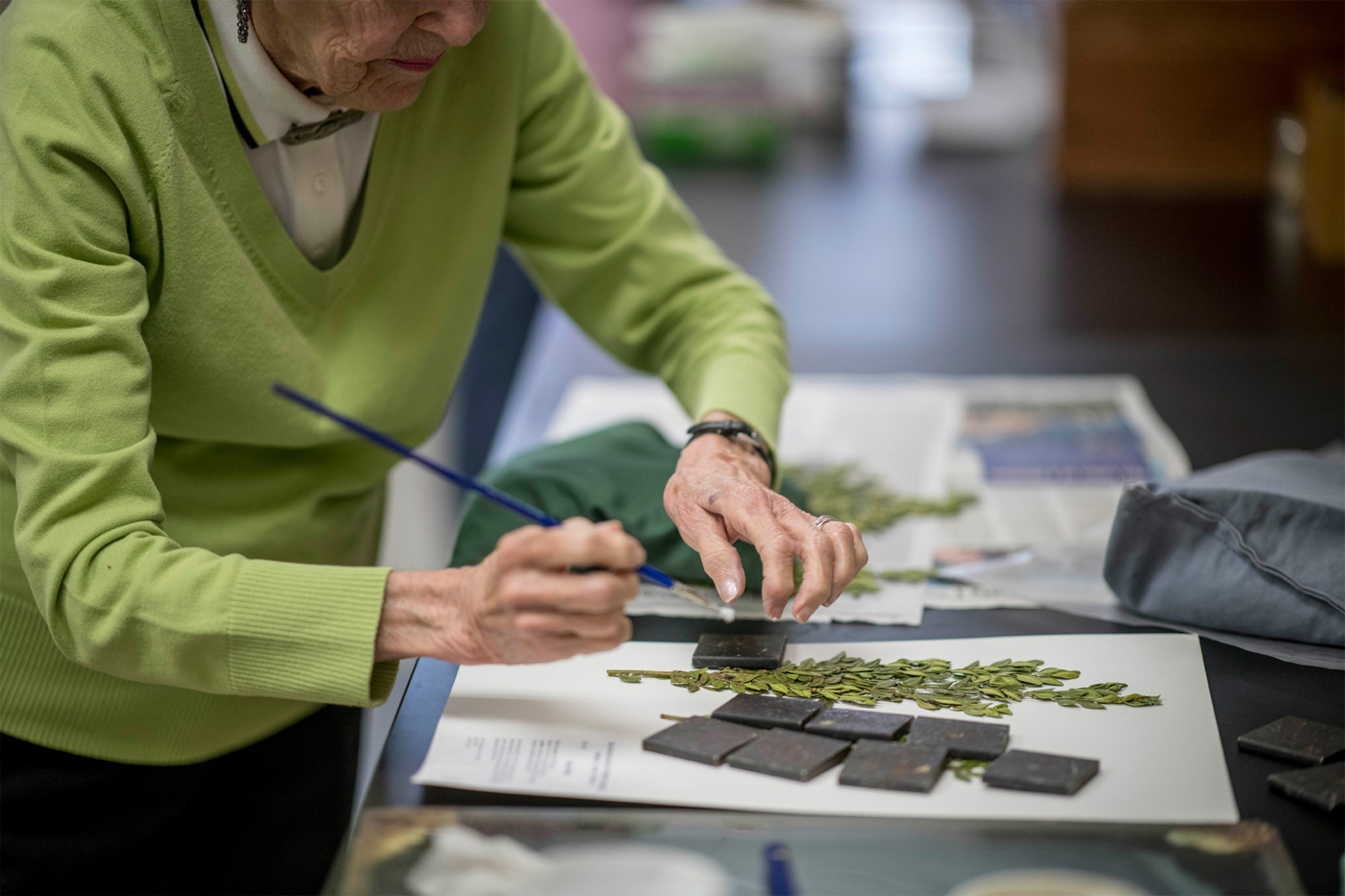
    Study specimens. Herbarium specimens can be used to learn species characteristics, and help you identify plants. Anyone interested in working with specimens must first be trained by herbarium staff. See Herbarium Forms and Policies for more information.

    Use our reference library. Some books particularly related to species identification are available for use in the herbarium library. The herbarium library reference collection is accessioned into the Sterling Morton Library.

    Visit How to Use the Herbarium for more information.

  • The Herbarium has an active group of approximately 30 volunteers, and we are often looking for new volunteers. Learn more about volunteering at The Morton Arboretum or fill out a volunteer application form.