The Morton Arboretum, Chicago Botanic Garden Pledge to Safeguard Threatened Species
What does an orchid in Malaysia have in common with an oak in Mexico? Both are on the International Union for Conservation of Nature (IUCN) Red List of threatened species.
They also are a focus of plant conservation research at institutions thousands of miles away. The Chicago Botanic Garden and The Morton Arboretum are pledging to safeguard these species as part of Reverse the Red Day, a worldwide celebration of conservation success, held annually on February 7.
Reverse the Red is a global movement that brings together a diverse coalition of leading scientists, advocates, and partners committed to using a data-driven and science-based approach to assess, plan, and act for species conservation. In declaring this year’s Reverse the Red Species Pledges, the Arboretum and Garden are deepening their commitment to advancing collaborative plant conservation strategies locally and globally.
The Morton Arboretum’s Reverse the Red Species Pledges
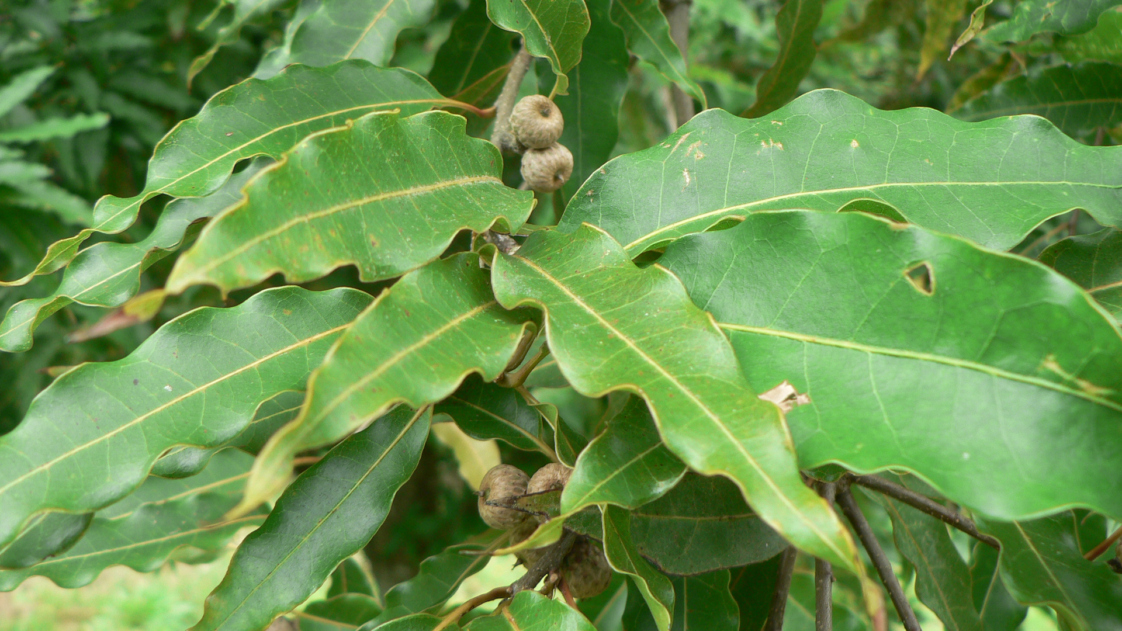
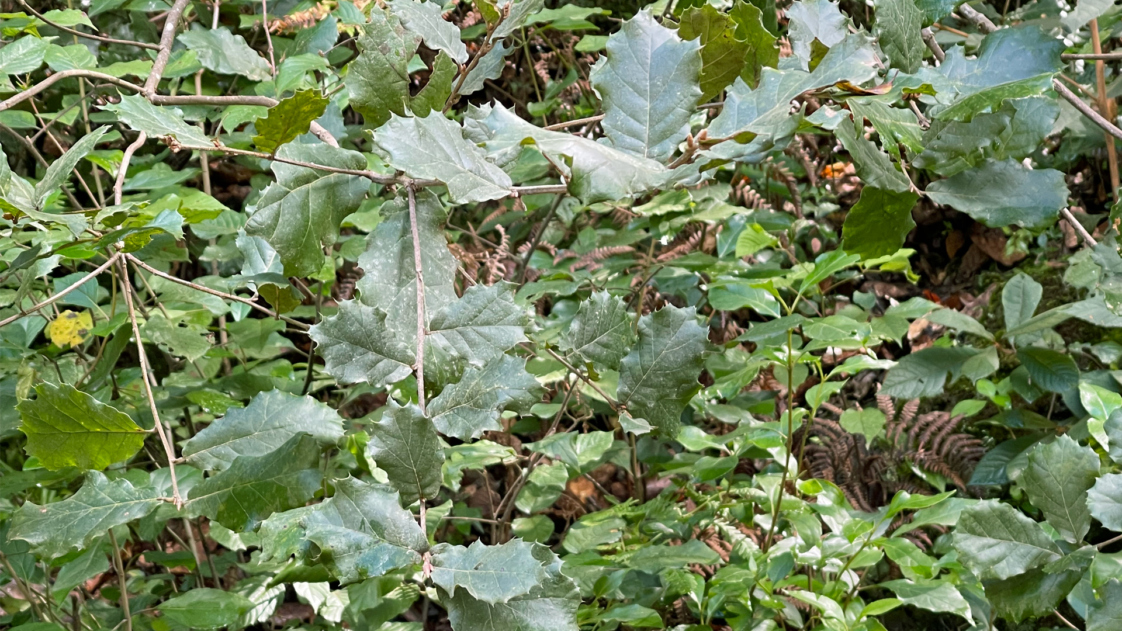
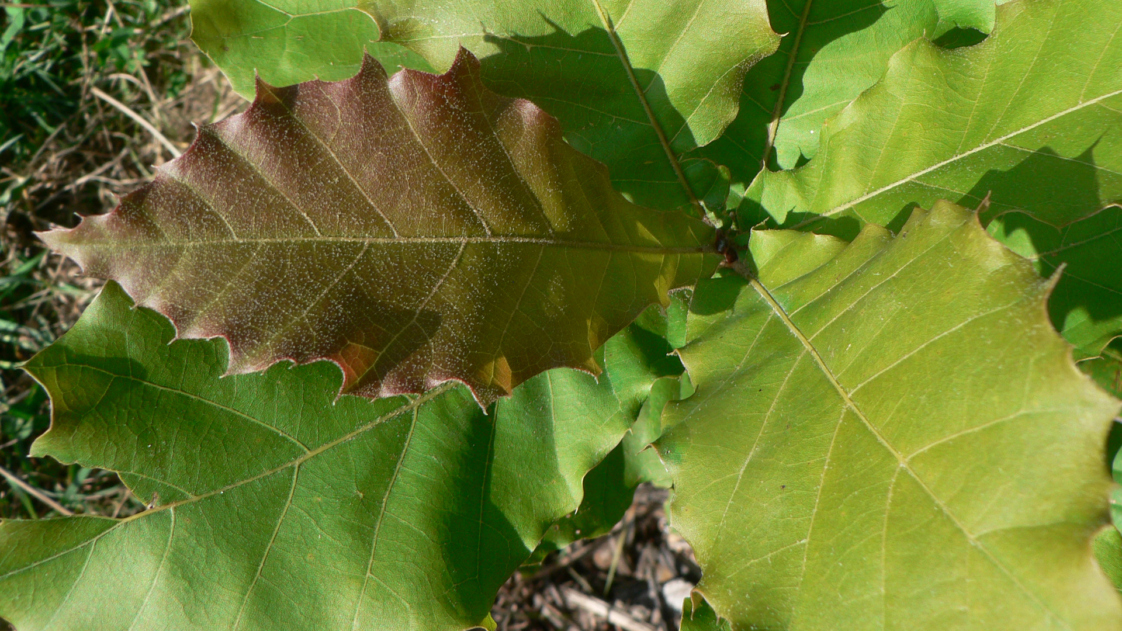
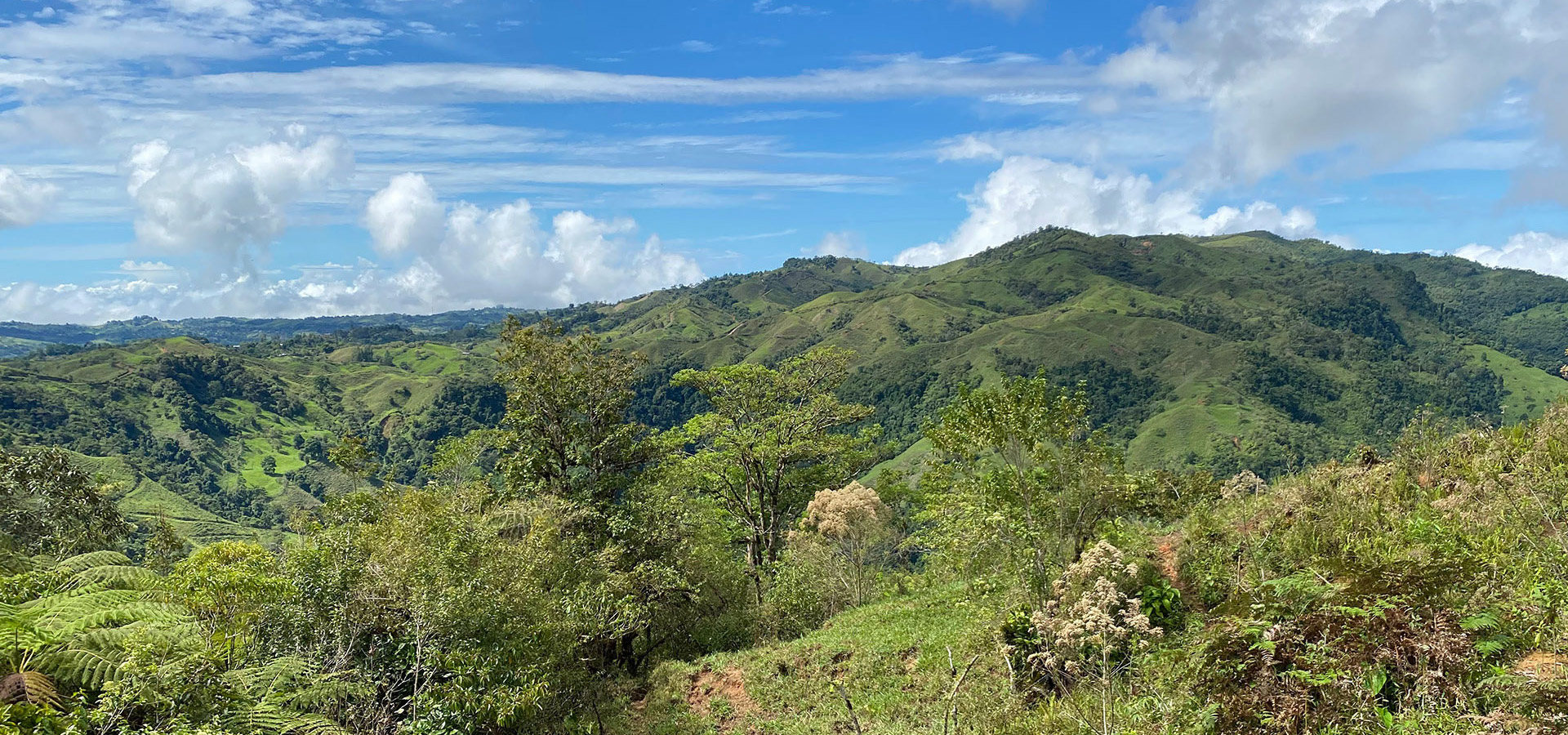
High in the mountains of Mesoamerica—stretching from the U.S.–Mexico border through Panama—exist some of the most biodiverse and threatened ecosystems on Earth. Peeking through the mist of these rare tropical montane cloud forests are four flagship oak species that the Arboretum, through its Center for Species Survival: Trees funded by the Walder Foundation, has pledged to protect. Together with partners in Mexico and Costa Rica, and with support from Fondation Franklinia, the Arboretum is closing critical knowledge gaps for these species and developing conservation action plans so that they will stay standing well into the future.
Quercus delgadoana
The endangered Quercus delgadoana has only three to six populations in the Sierra Madre Oriental in Mexico, each carrying a small number of individual trees. The species produces very few acorns and only fruits every five to 10 years, so it struggles to survive and multiply on its own amid severe habitat degradation. The trees that remain are subject to harvesting for firewood, construction, and local handicrafting. The Arboretum is working with Instituto de Ecología (INECOL) in Mexico to discover new populations and reinforce existing ones by propagating seedlings, restoring cloud forest habitat, and supporting alternative livelihoods to ensure sustainable management of the species.
Quercus hirtifolia
Quercus hirtifolia is a shrubby oak that grows selectively on cliffsides, only within altitudes of 5,200 to 7,900 feet. It prefers shaded and very humid conditions. While Q. hirtifolia plays a key role in keeping its landscape intact, its optimal habitat is especially susceptible to erosion during the rainstorms of the southern Sierra Madre Oriental in Mexico. Preliminary observations suggest little regeneration of the trees, with few reaching maturity. Like Q. delgadoana, Q. hirtifolia is understudied, though habitat destruction has also been identified as its main threat due to logging, roads, and extensive farming. It has not been reliably accounted for in any protected natural areas, and previous propagation efforts were largely unsuccessful. In the face of drought and climate change, its decline will only accelerate. With the help of Benemérita Universidad Autónoma de Puebla (BUAP) Botanic Garden in Mexico, the Arboretum is stepping in to improve the propagation success rate and reinforce populations through enrichment plantings. Together, the organizations are working with local landowners to restore steep slopes where the species takes root.
Quercus insignis
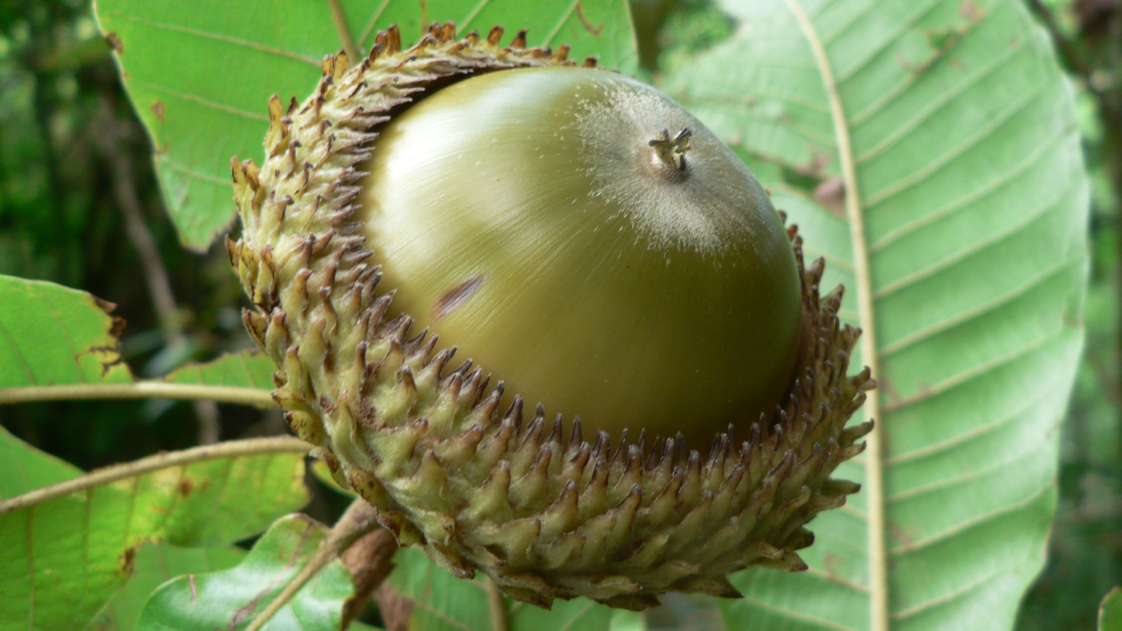
Though Quercus insignis has a larger distribution range, from central Mexico through Costa Rica, it too is restricted to elevations between 4,900 and 8,200 feet in which its populations occur in small patches. At lower altitudes, its habitat is rapidly being logged to make way for coffee and avocado plantations. Q. insignis timber is used for construction and firewood, and its acorns—the largest of all the oaks—are used to make handicrafts. Despite producing sufficient acorns, Q. insignis is not taken up by the land at the same rate, presumably due to seed predation and habitat reduction. The Arboretum partnered with Asociación Agathos Pronatura in Costa Rica to develop a conservation action plan for the species, and continues to monitor its progress and success.
Quercus meavei
Classified as vulnerable, Quercus meavei has been projected to lose close to half of its range—similar to that of Q. hirtifolia—over the next 55 years due to climate change. No cultivated specimens have been safeguarded in botanical gardens. Because of the species’ unpredictable fruit production, further field surveys are needed to understand and support its patterns of natural regeneration in the wild. The Arboretum’s project with Instituto de Ecología (INECOL) in Mexico aims to discover new populations, propagate seedlings, reinforce existing populations, and support alternative livelihoods to decrease pressure on the cloud forest habitat.
“Reversing species decline is a difficult endeavor, but with science-informed, coordinated and cross-disciplinary actions that provide sustainable livelihood alternatives to local communities, we can secure the future of threatened tree species,” said the Arboretum’s Global Tree Conservation Program director Silvia Alvarez-Clare, PhD. “We look forward to expanding our work on these big issues with the international plant community at the 9th Global Botanic Gardens Congress in Chicago in 2027.”
What’s Next: The 9th Global Botanic Gardens Congress
Looking ahead to 2027, The Morton Arboretum and the Chicago Botanic Garden will cultivate connections to accelerate crucial conservation work by co-hosting the botanical garden community in Chicago, in partnership with Botanic Gardens Conservation International, at the 9th Global Botanic Gardens Congress. Scheduled for August 2 through August 6, 2027, this congress will be the first held in North America in 27 years.
The institutions will welcome delegates from among the world’s 3,000 botanical gardens to Chicago for a week of themed discussions around the role botanical gardens play in habitat restoration in both wild and urban built environments. For details about the event, visit botaniccongress.org.