Chicago Region Trees Initiative

Partners of the Chicago Region Trees Initiative

Content Detail

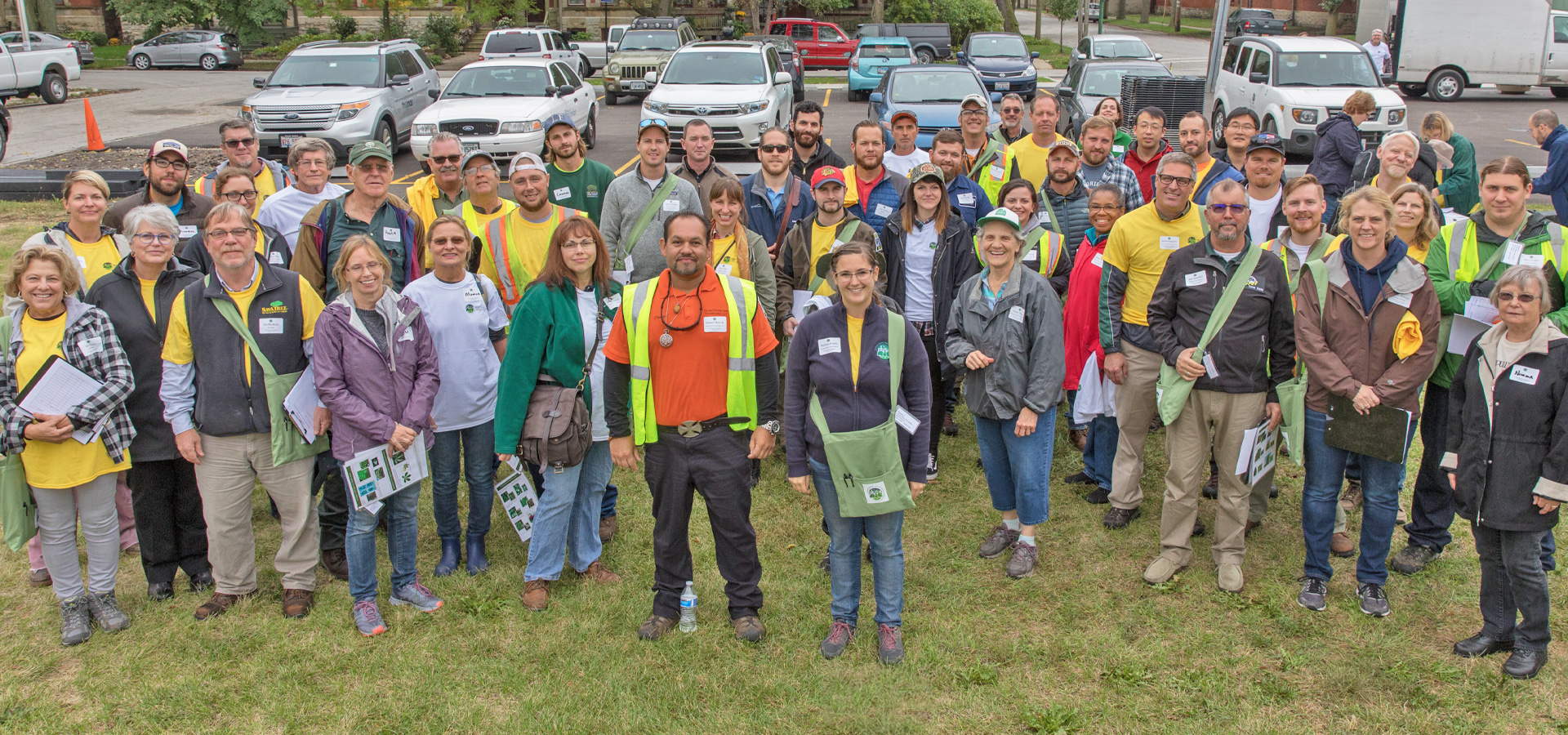
The Morton Arboretum’s Chicago Region Trees Initiative collaborates with a network of partners, including community, civic, nonprofit, and green industry organizations and businesses.

CRTI has engaged more than 500 partners throughout Illinois, including municipalities, businesses, nonprofit organizations, forest preserves, park districts, private landowners and managers, and other stakeholders. Through these collaborations, CRTI works to inspire tree stewards and build municipal capacity and support for trees, with a focus on environmental equity and disadvantaged communities.

The Chicago Region Trees Initiative and its partners have developed a comprehensive plan to improve the health, diversity, and equitable distribution of the Chicago regional forest. Together, guided by this plan, CRTI and its partners have had a regionwide impact.

CRTI’s collaborations and the possibilities for partnership are wide-ranging. For example, partners may work with CRTI to:

  • Organize community tree plantings
  • Develop new tree protection ordinances
  • Conserve and celebrate oak trees in natural areas and neighborhoods
  • Improve municipalities’ tree-care capacity through staff training, volunteer development, and tree inventories
  • Find funding for community tree care
  • Plan to mitigate the impacts of climate change

Partners who come together in CRTI’s work groups connect with peers, share ideas, and contribute to the program’s planning on topics such as forest composition, tree and green infrastructure, tree risk assessment and management, and tree stewardship and planting.

CRTI welcomes new collaborators! Learn how you or your organization can become a partner of CRTI.

Partner Project Highlights

Here is a sample of the work done by CRTI and its partners across the Chicago region and Illinois.


Joliet Junior College Tree Equity Project

Joliet Junior College is leveraging its CRTI Tree Equity grant to enhance tree health and improve quality of life for communities surrounding its campuses. As a Tree Campus USA designee and environmental leader, JJC is planting 32 ginkgo trees and 18 diverse species to strengthen biodiversity and ecological resilience. Led by Facilities Superintendent Mike Brouillard, the college is training all grounds staff to become ISA Certified Arborists and use ArcGIS technology to manage tree inventories. These efforts align with JJC’s Urban Forestry Management Plan and promote sustainability through its nationally accredited Dr. William M. Zales Arboretum, connecting people to nature.


West Chicago Park District, Growing West Chicago

With support from The Morton Arboretum, the West Chicago Park District has enhanced its urban forest by increasing tree canopy, removing hazardous trees, and conducting hazard and cyclical pruning. The project also provided hands-on volunteer opportunities and educational experiences for the community. Additionally, with guidance from the Arboretum, they updated our tree ordinance to better protect and manage their trees.


City of Clinton, Tree Commission

The Clinton Tree Commission received a $46,500 grant to add trees to an underserved area of its community. The funds have allowed us to install five information signs to the arboretum, and plant 30 trees at three public housing sites and two city parks. The trees will be watered by Encore Services, a local employment program for disabled adults. The city has enjoyed presenting educational programs and look forward to the new trees in their community.


Coalition for a Better Chinese American Community, Tree & Plant Healing Workshop

The Tree & Plant Healing Workshop was a relaxing community event that helped people slow down and reconnect with nature. Participants shared planting experiences, learned simple plant care tips, and practiced mindful breathing with trees. One plant specialist also shared experiences and tips on growing Chinese herbal plants, helping participants appreciate the connection between traditional culture and nature. The session provided a calm space to relieve stress and feel the healing energy of the natural world.

The Morton Arboretum welcomes everyone working to improve the health and the equitable distribution of the tree canopy in the Chicago region to become a partner of its Chicago Region Trees Initiative.

CRTI asks its partners to support its efforts for people and trees in at least one of these ways:

  • Committing to activities that can have a positive impact on the region’s trees and help meet regional goals.
  • Investing staff time or other resources to help achieve the goals outlined in the 2050 Master Plan for Trees.
  • Participating as an active member of a CRTI work group.

Fill out this form to become a CRTI partner and commit to actions that will ensure that trees are healthier, more abundant, more diverse, and more equitably distributed to provide needed benefits to all people and communities in the Chicago region.

There is no fee associated with partnership, though donations and sponsorships are welcome.
